Powder Skiing Tips
Powder snow offers a special experience for skiing enthusiasts. Its soft texture creates a different feeling from skiing on firm, groomed slopes. However, moving smoothly through deep snow requires adjustments to balance, body position, and turning techniques.
For skiers who usually spend time on prepared trails, powder skiing may feel unfamiliar at first. Learning how soft snow affects your skis can help you adapt your technique and develop better control.
1. Understand Powder Snow
Powder is fresh, loose snow that has not been heavily compressed by previous skiers or grooming equipment. It is often light, though its density varies. Unlike firm snow, it allows skis to sink beneath the surface, changing how you balance and turn.
On groomed slopes, skiers often rely on their ski edges to control turns. In powder, however, abrupt edging can make the skis harder to guide. Instead, both skis should move together while the legs guide their direction.
Maintaining forward movement is also important. A steady pace helps the skis remain closer to the snow's surface instead of sinking too deeply. This makes turning easier, but your pace must remain appropriate for the terrain and your ability.
2. Find a Balanced Body Position
Sudden changes in body position can make it harder to control your skis on soft snow. Start by keeping your ankles comfortably bent, with your shins resting against the front of your ski boots.
This position helps maintain contact with your equipment and allows your legs to respond to changes in the snow. Your stance can be slightly narrower than the position you normally use on groomed slopes. Keeping your skis reasonably close together helps them move as a coordinated pair.
Weight distribution matters too. Both skis should support your movement. The outside ski can carry slightly more weight during a turn, but avoid pressing it too deeply into the snow. Try not to lean excessively backward; keep your weight centered over your feet.
3. Use Your Legs to Control Direction
Guide both skis through a smooth, rounded path with your legs instead of making sharp movements. Keep your knees and ankles flexible so your legs can respond to changing conditions. Gentle movements are generally easier to manage than sudden shifts in direction.
4. Follow the Fall Line
The fall line is the natural downhill direction of a slope. Understanding it can help you choose a route through powder. Link rounded turns around that direction, finishing each turn enough to control your speed rather than pointing straight downhill.
Avoid unnecessarily sharp turns, but do not sacrifice speed control just to keep moving. Look ahead instead of concentrating only on the snow immediately around your skis. Planning your next turn early can help prevent abrupt movements.
5. Maintain a Steady Rhythm
Your ski poles can help establish a regular rhythm. As you approach a turn, gently swing one pole forward. This movement provides a timing reference and helps coordinate your upper body with your legs.
Keep your pole movements relaxed and consistent. They should support your turns rather than interrupt your balance. Avoid reaching so far forward or sideways that the pole movement pulls your upper body out of position.
6. Practice With Simple Movements
If powder skiing feels difficult at first, begin with gentle slopes and manageable sections of soft snow. Practicing basic turns helps you understand how your skis respond. Pay attention to your ankle position, leg coordination, and turning movements.
Before entering ungroomed terrain, check local slope conditions and follow resort safety guidance. Soft snow alone does not mean a slope is suitable for practice. Choose terrain within your ability and respect closures.
Book a lesson with a qualified ski instructor if you struggle to link controlled turns. Ask them to watch your stance and turn timing so you know which adjustment to work on next.
How to Ski Powder || REI
Video by REI
-
 Polo: Rules & RidingHow polo works: chukkers, handicap ratings, teamwork, and the riding skills that keep you safe.
-
 Kiteboarding Made SimpleLearn how kite position, equipment choice, and supervised water drills prepare beginners for their first rides.
-
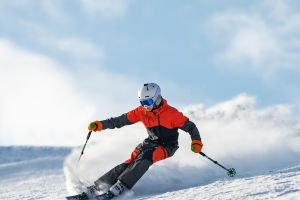 From Wedge to CarveA progression through balance, edging and turn shape helps parents guide young skiers on suitable terrain.
Contact to : xyjph123@gmail.com
Privacy Agreement
Copyright © boyuanhulian 2020 - 2022. All Right Reserved.