Polo: Rules & Riding
Welcome to today's article. You have probably seen a polo match in a film or a clip online, riders leaning out of the saddle at speed, a small white ball getting whacked the length of a field.
It looks chaotic. It isn't. Polo runs on strict rules, tight teamwork, and riding habits that take years to build, and once you know what to watch for, the whole game opens up.
Chukkers set the pace
A full polo match is split into chukkers, each one seven minutes long. Players switch to a fresh horse after every chukker, and a typical high-goal game runs six of them. That horse rotation is not a luxury, it's a requirement, because a polo pony covers several kilometers at a gallop during a single chukker. The whistle ends play at the seven-minute mark regardless of where the ball is, so you'll often see a team race to finish a run before the buzzer.
The handicap rating explained
Every player carries a handicap from -2 up to 10 goals, and that number shapes how teams are built. A 10-goal player is the rarest tier in the sport, and only a small group of players have ever held it. Teams are assembled so the combined handicaps stay close, which keeps matches competitive. If you're watching a game and wondering why one side looks stacked, check the team totals. That's the number the organizers actually balance.
Right of way decides everything
The rule that surprises newcomers most is the line of the ball. Once a player hits the ball, that invisible line becomes a right of way, and anyone crossing it too close commits a foul. Instead of chasing the ball directly, you angle your horse to meet the line at a safe distance. There are also rules on hitting into another player's swing and on dangerous riding near the boards. Umpires on horseback follow the play and call penalties, and a penalty shot from a set distance is the standard outcome.
Teamwork beats a solo run
Do not assume the best player just takes the ball and runs. Good polo is built on positioning, and the number on your shirt tells you your job. The number one plays forward, the number two links attack and defense, the number three controls the middle, and the number four stays back as the last line. Watch a strong number three and you'll see the pattern: they're rarely the one scoring, but they're always the one who started the move. Communication is loud and constant, and a team that talks beats a team that doesn't.
Riding skills that keep you safe
The riding in polo is not just fast, it's asymmetric. You hold the reins in your left hand and swing the mallet with your right, which means your balance has to work with one hand doing nothing. Riders train the "pony club" style swing, a compact arc that keeps the mallet away from the horse's legs. Turning at speed, stopping hard, and riding off an opponent shoulder to shoulder all come before the ball work. Most beginners spend their first sessions on the wooden horse practicing the swing and on the field learning to track the line, not chasing goals.
Getting into the sport
You don't need your own string of ponies to start. Clubs in places like Palm Beach and Windsor run beginner days and arena polo sessions on smaller fields, which is a cheaper way in than the open-field game. Arena polo uses three players a side and a softer ball, and it's a realistic first step. A basic lesson and hire arrangement is the usual entry point, and many clubs pair it with a rules session so you understand the line of the ball before you ever gallop.
The game rewards the rider who reads the field before the ball arrives, not the one with the fastest horse. Next time you watch a chukker, keep your eye on the number three and the line of the ball, and you'll see the structure behind all that speed.
-
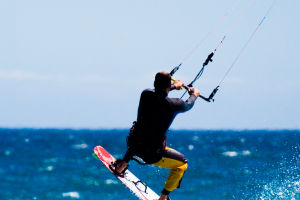 Kiteboarding Made SimpleLearn how kite position, equipment choice, and supervised water drills prepare beginners for their first rides.
-
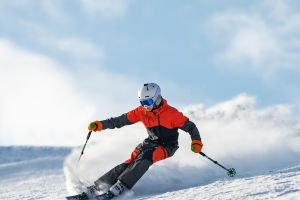 From Wedge to CarveA progression through balance, edging and turn shape helps parents guide young skiers on suitable terrain.
-
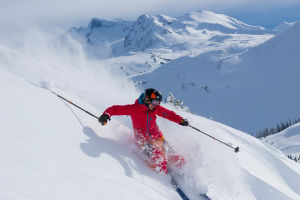 Powder Skiing TipsLearn how to adjust your stance, coordinate your skis, and link controlled turns in soft snow.
Contact to : xyjph123@gmail.com
Privacy Agreement
Copyright © boyuanhulian 2020 - 2022. All Right Reserved.