Court Position and Placement
Most players chase power first, swinging harder to take control of a rally.
But control in tennis does not depend on speed alone. Where you stand and where you put the ball help decide who dictates the point. Those choices matter both when you attack and when you recover for the next shot.
Standing close changes the pressure
Moving inside the baseline can take time away from your opponent, provided the incoming ball allows it. Taking the ball earlier gives them less time to prepare their reply. But moving forward without reading the ball can leave you rushed rather than in control.
Choose your position according to the shot coming toward you. A deep ball may require you to move back and create room for your swing. A shorter reply gives you an opportunity to step in. The aim is a balanced contact, not a fixed position inside the court.
Placement beats raw speed
A well-placed forehand can create more pressure than a faster ball hit straight back to your opponent. Aim for a target you can reach reliably rather than chasing the smallest opening. Placement is useful only if the shot stays in.
Deep cross-court shots can push your opponent back and wide, opening the opposite side for the next ball. Roger Federer often used cross-court exchanges to create an opening before changing direction. Wait for a ball you can control rather than forcing the down-the-line finish.
Moving your opponent first
Do not just hit where you are comfortable; consider where your opponent is standing. If they are covering the backhand side, a deep ball toward the forehand corner can pull them away. Watch their recovery before deciding where the next shot should go.
The open court is not always the best target. If your opponent is already moving across to cover it, placing the ball behind them can make them change direction. Novak Djokovic builds many points by moving opponents before stepping in on a shorter reply.
Recovering after every shot
Where you stand after hitting matters as much as your position before contact. Recover toward a position that covers your opponent's likely replies, rather than automatically returning to the center mark. The appropriate position changes with where your shot lands and where your opponent will make contact.
After a wide forehand, do not stay planted and watch your shot. Begin recovering, then time your split step, a small preparatory hop, around your opponent's contact. Be ready to move either way rather than continuing across the court while they send the ball behind you.
Reading the short ball early
Control also means recognizing an opportunity to attack. A ball landing inside the service line may invite you forward, but its height and pace matter too. A low short ball may need a controlled approach rather than an attempt to finish immediately.
Move early enough to reach the ball in balance. Choose your target before swinging, then prepare for the reply instead of assuming the point is over. Coming forward should follow the opportunity the ball presents, not simply its landing position.
Building patterns you trust
Pick two or three shot combinations and practice them until they feel familiar. Serve wide, then look for space on the opposite side. Or serve down the T, then look to move your opponent wide. These patterns give you a starting plan, not a compulsory sequence.
Practice the recovery between shots as well as the placements themselves. If the return does not create the opening you expected, continue the rally rather than forcing your planned finish. A useful pattern should help you read the next ball, not ignore it.
In your next practice rally, choose a cross-court target and recover after each shot. Change direction only when you receive a ball you can reach in balance, then check whether your placement created an opening.
-
 Reading WhitewaterLearn how currents, eddies, and scouting help paddlers choose a route before entering a rapid.
-
 From Wedge to CarveA progression through balance, edging and turn shape helps parents guide young skiers on suitable terrain.
-
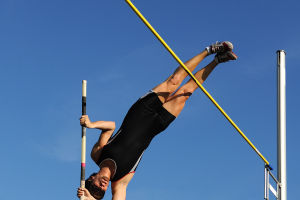 Pole Vaulting Techniques!Think you can fly over the bar? Grip, run, plant, soar! Master pole vault now!
Contact to : xyjph123@gmail.com
Privacy Agreement
Copyright © boyuanhulian 2020 - 2022. All Right Reserved.