From Wedge to Carve
A lot of parents assume the fast route to better skiing is more time on the hill, so they book long days and chase steeper runs.
Young skiers need to establish the basics before moving onto harder terrain. Balance, equipment and turn shape all deserve attention before speed becomes the goal.
Balance comes before turning
Start with a stance the skier can actually hold: feet roughly hip-width apart, shins pressed gently into the front of the boots, and hands forward where they can see them.
A young skier who can stand centered and glide on a shallow slope is better prepared to learn turns than one who leans back as speed increases. On gentle terrain with a flat runout, try having them glide and reach toward each ski with the opposite hand. Keep the movement small rather than forcing a deep bend.
The wedge is a tool, not a habit
The snowplow, or wedge, gets a bad reputation because some kids stay in it for years. Used properly, it helps beginners manage speed and stop. Teach the wedge on a slope gentle enough that they can stop on demand, then introduce steering through turns rather than relying on a wider wedge.
In Austria, ski schools often move children out of the wedge and into parallel turns by age six or seven using short skis. If your child is stuck in a wide wedge at speed, ask an instructor to check both technique and equipment fit rather than assuming more practice will solve it.
Edging on easy terrain
Carving starts with understanding that a ski's metal edge grips snow when the ski tilts. You don't need steep terrain for this. Find a wide, gentle run and have them practice gently tipping both skis while gliding, watching the tracks they leave behind.
Two clean, narrow lines in the snow indicate that the skis followed their edges without much sideways slipping. A smeared, wide track indicates skidding. That visual feedback gives children something concrete to notice and discuss, without expecting them to master the movement in a single session.
Why ski length matters
A ski that reaches somewhere between the child's chin and nose is a reasonable starting point for beginners, though ability and build also matter. Shorter skis are generally easier to steer at low speeds. How easily they bend also depends on their construction, not length alone.
As technique improves, length can grow. The mistake is sizing up too early simply because the child had a growth spurt. A ski that is too long can make turning harder and encourage a defensive stance. Check the fit before buying equipment intended to last through another season.
Build turn shape on mellow runs
Once edging clicks, work on turn shape rather than speed. Have them link ten round turns on a green run, then ten shorter ones on the same pitch. The shorter turns require quicker changes of direction and a different rhythm.
Racers train this constantly, and it's the same drill Mikaela Shiffrin has talked about using in early-season warmups. Keep the focus on completing each turn with control rather than rushing to reach the next one. Both turn shapes belong on comfortable terrain before trying them on a steeper slope.
Terrain changes the challenge
Run ratings alone do not tell you how demanding the snow will be. A familiar blue run can feel very different when it is icy rather than soft. Choose terrain for the conditions that day, not just the color on the trail sign.
Introduce varied snow gradually: a gentle run after light snowfall, a groomed morning, or a slushy afternoon. Each surface asks for adjustments in edging and pressure. If control becomes inconsistent, return to easier terrain instead of treating a difficult surface as a test the child must finish.
When to add poles and speed
Poles are optional for young beginners and can be a distraction. Wait until turns are consistent without them, then introduce them as timing tools rather than balance aids. Speed comes last: a controlled run at a moderate pace is more useful than a fast run with unfinished turns.
For the next outing, choose one movement to practice and ask the child what felt difficult. If the same problem persists, book a lesson focused on that movement rather than adding more runs.
-
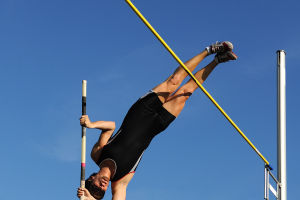 Pole Vaulting Techniques!Think you can fly over the bar? Grip, run, plant, soar! Master pole vault now!
-
 Why Sports Feel PersonalGame-day rituals, shared history, and fan know-how help turn casual viewers into devoted supporters.
-
 12 Ways to Burn CaloriesCompare workout estimates by pace and body weight, and find options for home, the gym, or outdoors.
Contact to : xyjph123@gmail.com
Privacy Agreement
Copyright © boyuanhulian 2020 - 2022. All Right Reserved.