Paint Tranquil Blossoms
A cherry tree beside calm water is a simple subject, yet it offers excellent opportunities to practice composition, color harmony, reflections, and brush control. A successful oil painting does not depend on painting every blossom. Instead, it relies on organizing the scene so light, shape, and atmosphere work together naturally.
When painting this type of landscape, separate what you directly observe from the artistic choices you make. The tree, reflection, and perspective should remain visually believable, while color intensity, brush texture, and abstraction can be adjusted to express your own artistic vision.
Build a Strong Landscape Composition
Before mixing paint, spend a few minutes planning the entire scene. A clear structure allows every brushstroke to support the composition instead of competing for attention.
The following methods help you create a balanced painting while allowing the flowering tree to remain the natural focal point.
Place the tree with intention
A single tree immediately attracts attention, so avoid positioning it exactly in the center unless you intentionally want a formal, symmetrical composition.
Placing the trunk slightly to one side often creates a more dynamic design while leaving enough open water to emphasize calmness. Empty space is an important compositional tool, especially in peaceful landscapes.
Design the silhouette before painting details
Step back and imagine the tree as one simple shape.
The overall canopy should have an interesting outline with varied widths, gentle curves, and small irregular edges. If the silhouette already looks attractive without individual flowers, the finished painting will usually remain strong even after details are added.
Many successful landscape painters judge the silhouette before considering leaves or blossoms.
Separate foreground, middle ground, and background
Divide the painting into clear depth layers.
The small island and flowering tree form the middle ground. The lake occupies both the foreground and the reflective surface, while distant trees and sky remain soft background elements.
Keeping these layers visually distinct creates depth without relying on complicated perspective.
Plan reflections before painting the water
Reflections should be considered part of the composition rather than an afterthought.
Before painting, estimate how much space the reflection will occupy. In calm water, the reflected tree generally follows the overall shape of the original subject, although it often appears slightly softer because of water movement.
Thinking about both the tree and its reflection together creates a stronger overall design.
Create Atmosphere Through Color and Brushwork
Once the composition is established, begin developing light, color, and texture. Oil paint allows gradual refinement, but controlling each stage prevents unnecessary overworking.
These techniques help create an expressive landscape while maintaining believable visual relationships.
Block in large color areas first
Start by painting the sky, distant landscape, water, island, and tree canopy as broad color masses.
Avoid painting individual blossoms during the first stage. Large color relationships determine the overall harmony of the painting, while small details should only strengthen what already works.
If the painting looks balanced at this stage, later refinements become much easier.
Build blossom clusters instead of individual flowers
Cherry trees contain hundreds of blossoms, but viewers rarely perceive every flower separately.
Paint groups of blossoms using connected masses of pink, then gradually introduce lighter highlights and darker interior shadows. Reserve only a few clearly defined blossoms near the focal area.
This approach creates the impression of abundant flowers without making the tree appear stiff or repetitive.
Control edge quality carefully
Not every edge should receive equal attention.
Allow distant trees to blend softly into the background while keeping selected branches or blossom clusters slightly sharper near the center of interest.
Likewise, soften the lower edge of the reflection so it gradually disappears into the water instead of ending with a hard outline.
This variation naturally guides the viewer's eye through the composition.
Use color temperature to create depth
Foreground grasses, blossoms, and nearby rocks can contain warmer and more saturated colors.
Background hills and distant vegetation usually become cooler, lighter, and less saturated because of atmospheric perspective. This visual effect can be observed outdoors under many viewing conditions and helps create convincing depth.
You do not need additional detail if the color temperature already separates the distance effectively.
Paint water as horizontal planes
Water should generally be painted with horizontal brushstrokes because still water reflects the surrounding environment across a relatively flat surface.
Vertical strokes are useful mainly within reflections where tree trunks or major branches appear. Keeping most surrounding strokes horizontal reinforces the calm character of the lake.
Small changes in brush direction often communicate water movement more effectively than adding extra texture.
Distinguish observation from artistic interpretation
Some painting decisions are supported by direct visual observation. For example, reflections generally align beneath their subjects, distant objects usually appear softer than nearby ones, and shadows remain consistent with one light direction.
Other decisions belong entirely to artistic interpretation. Increasing the brilliance of pink blossoms, simplifying the shoreline, exaggerating the smoothness of the lake, or reducing background detail are creative choices made to strengthen mood and composition rather than to record the landscape exactly as observed.
Understanding this distinction allows you to express your artistic style without confusing interpretation with visual structure.
A successful cherry tree landscape grows from thoughtful planning rather than countless details. By designing a strong silhouette, organizing depth, simplifying blossom masses, controlling edge quality, respecting observed visual principles, and using artistic interpretation deliberately, you can create an oil painting that feels peaceful, balanced, and full of atmosphere while allowing the flowering tree to remain the unmistakable heart of the composition.
-
 Ukulele Summer Fun!Ready to make music? See why the ukulele is a fun, beginner-friendly instrument for summer days!
 -
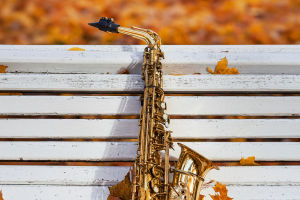 Saxophone Care TipsWant Your Saxophone to Stay in Top Shape? These Simple Care Tips Help Keep It Clean, Smooth, and Ready to Play.
 -
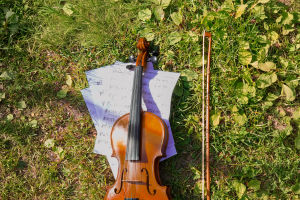 Master the Violin BasicsLearn to play the violin with essential techniques for smooth bowing, accurate notes, and beautiful melodies
Contact to : xyjph123@gmail.com
Privacy Agreement
Copyright © boyuanhulian 2020 - 2022. All Right Reserved.
Privacy Agreement
Copyright © boyuanhulian 2020 - 2022. All Right Reserved.