Playful Basketball Drills
Basketball practice does not have to feel like a formal training session. For kids, simple games can turn dribbling, passing, and shooting into activities they genuinely enjoy.
The right drills can help young players become more comfortable with the ball while also encouraging movement, coordination, teamwork, and confidence. With a few basic ideas, parents and coaches can make basketball practice more active and entertaining.
Start With Dribbling Games
Dribbling is one of the basic skills children can practice almost anywhere with enough safe space. Instead of asking kids to repeatedly dribble in a straight line, turn the exercise into a challenge.
Begin with stationary dribbling. Children can bounce the ball with one hand while keeping their knees slightly bent and their eyes forward. After a short period, they can switch hands. Once they become comfortable, introduce high and low dribbles by calling out which height they should use.
A cone course can make the activity more exciting. Place several markers on the ground and have children dribble around them while changing direction. The goal is not speed at first. Ball control comes before racing.
Make Passing More Interactive
Passing becomes more enjoyable when children work together. Pair two players and have them practice chest passes, bounce passes, and overhead passes from a comfortable distance.
Start slowly so children can concentrate on accuracy. After several successful passes, increase the distance or add movement. Partners can take a few steps sideways while continuing to pass, making the activity slightly more challenging.
Another option is to use a wall. A child can pass the ball against a marked target and catch it as it returns. This provides useful repetition without requiring another player.
Try Monkey in the Middle
Monkey in the Middle is a simple group game that can make passing practice feel completely different. One child stands between two or more players, while the outside players pass the ball to each other.
The player in the middle tries to intercept the pass. When the middle player gets the ball, the player responsible for the intercepted pass takes the middle position.
The game encourages children to watch the ball, move into useful positions, and make decisions quickly. It also gives players a reason to practice accurate passes rather than simply throwing the ball toward a teammate.
Turn Shooting Into a Challenge
Shooting practice can become more interesting when children have a clear game to play. Instead of having everyone shoot from the same position, place several safe shooting spots around the basket.
Children can take turns shooting from each position and then move to another spot. Younger players can use closer positions so the activity remains manageable.
A simple “around the basket” challenge can also work well. Players move between different marked positions, taking a shot at each one. The emphasis should remain on practicing the movement rather than keeping score.
Add Movement to Every Drill
Basketball is not only about controlling the ball while standing still. Children can gradually combine skills with movement.
For example, a coach can create a short sequence where players dribble toward a marker, change direction, pass to a teammate, and then move toward the basket for a shot. The sequence can be simplified for beginners and made more challenging as their skills improve.
Movement games can also include stopping and starting on command. Children might dribble until they hear a signal, stop under control, and then continue in another direction. These activities help them become more aware of their movement while handling the ball.
Keep the Practice Age-Appropriate
Not every child learns at the same pace. A drill that feels easy for one player may be difficult for another, so activities should be adjusted when necessary. Younger children may benefit from shorter games with simple instructions. Older or more experienced players can handle additional movement, longer distances, or more complicated combinations.
Fun basketball drills can help children practice important skills without making every session feel like a lesson. Dribbling courses, passing games, shooting challenges, and movement activities offer plenty of ways to keep young players involved.
The goal is to create an environment where children have opportunities to move, try new techniques, make mistakes, and try again. When practice feels enjoyable, learning basketball skills can become a natural part of the game.
-
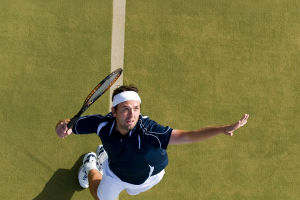 Improve Tennis Reflexes FastWant quicker reactions? Try simple drills to sharpen your reflexes, timing, and anticipation on court!
 -
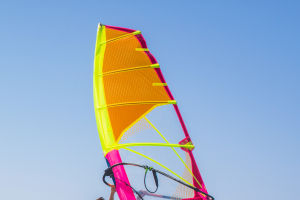 Balance Windsurfing BetterHow Better Balance Helps Windsurfers Stay Steady, Control the Sail, and Handle Changing Wind and Waves With Ease.
 -
 Beginner Canoeing SkillsNew To Canoeing? Learn These Essential Skills Before You Head Out On The Water For A Safer And Smoother First Trip.
Contact to : xyjph123@gmail.com
Privacy Agreement
Copyright © boyuanhulian 2020 - 2022. All Right Reserved.
Privacy Agreement
Copyright © boyuanhulian 2020 - 2022. All Right Reserved.