Beginner Canoeing Skills
Dear Lykkers, getting into a canoe for the first time can feel exciting, but smooth paddling takes more than simply moving the paddle through the water. Beginners need to learn how to stay balanced, control direction, use the paddle efficiently, and read the conditions around them.
Starting in calm water gives us a chance to build these skills gradually and become more comfortable before facing stronger currents or changing conditions.
Start With Safety
Before launching, check the canoe, paddle, and other equipment carefully. A properly fitted life jacket should be worn throughout the trip, even if you are comfortable in the water. Beginners should also choose a suitable location and avoid challenging conditions until they have enough experience.
Learn about the waterway before setting out. Check information about currents, changing water levels, rocks, narrow sections, and other possible obstacles. If you are unfamiliar with the area, paddling with other people is a sensible choice. Bring suitable safety equipment and a reliable way to communicate if conditions change.
It is also important to choose conditions that match your current ability. A quiet lake or sheltered section of water is generally easier for learning than a fast-moving river.
Find A Stable Position
Good balance begins with your position in the canoe. Keep your body upright and your center of gravity low. Your feet should rest comfortably, while your knees remain slightly bent so your body can respond naturally to small movements in the canoe.
Avoid making sudden movements. Reaching too far to one side or quickly turning your upper body can make the canoe feel unstable. Instead, move gradually and keep your weight centered.
Beginners can practice simple balance movements in calm, shallow water where appropriate. Small changes in body position can help you understand how the canoe reacts. This makes it easier to stay relaxed when you later encounter small waves or boat wakes.
Learn Basic Paddle Control
Good paddle technique should feel controlled rather than rushed. Hold the paddle securely with both hands and keep your grip comfortable. Place the blade into the water in front of you, then pull it smoothly alongside the canoe.
Try to keep the paddle movement close to the boat instead of making a wide, sweeping motion. When the blade reaches roughly the position of your hip, lift it from the water and prepare for the next movement.
Although the arms are involved, beginners should avoid relying only on their arms. Gentle rotation through the upper body can make paddling feel more natural and help maintain a steady rhythm. Keep both sides of the body working in a balanced way rather than constantly pulling harder with one arm.
Control Speed And Direction
Once basic paddle control feels comfortable, practice changing direction. To turn right, increase the paddling effort on the left side, while a turn to the left can be encouraged by working more on the right side.
Practice wide turns first. Then try following a simple S-shaped route in open, calm water. This gives you a practical sense of how paddle strength, movement length, and timing affect the canoe's direction.
Avoid trying to turn suddenly at high speed. Smooth adjustments are easier to control and help you stay balanced.
Adjust To Changing Water
Different water conditions require different levels of attention. When approaching a bend, narrow section, or area with visible current, slow down and look ahead before making your next move. Identify where the water is moving and give yourself enough space to adjust.
If you encounter small waves or boat wakes, keep your body relaxed and maintain a stable position. Avoid stiffening your arms or making large movements. Instead, let the canoe respond naturally while you make small corrections with the paddle.
Beginners should leave stronger currents and more demanding waterways for later stages of learning. Building confidence in easier conditions creates a better foundation for handling more complicated situations.
Final Thoughts
Canoeing becomes much easier when we focus on a few basic skills instead of trying to master everything at once. A stable position, smooth paddle technique, controlled turns, and careful observation of the water can make a major difference. Start somewhere calm, practice patiently, and gradually increase the challenge as your control improves. With time, each movement of the paddle will feel more natural, allowing us to enjoy the water with greater confidence and awareness.
-
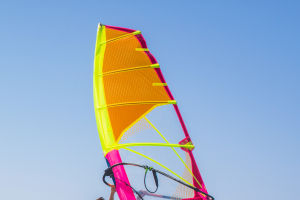 Balance Windsurfing BetterHow Better Balance Helps Windsurfers Stay Steady, Control the Sail, and Handle Changing Wind and Waves With Ease.
 -
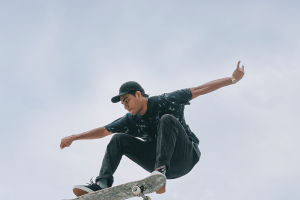 Skateboard Balance TipsStruggling to stay steady? Try these simple skateboard balance tips to feel more in control!
 -
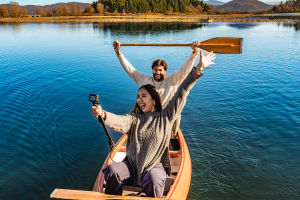 Simple Canoe Safety TipsHeading out on the water?! Follow these practical canoe safety tips for a safer, smoother trip!
Contact to : xyjph123@gmail.com
Privacy Agreement
Copyright © boyuanhulian 2020 - 2022. All Right Reserved.
Privacy Agreement
Copyright © boyuanhulian 2020 - 2022. All Right Reserved.