Mars: Earth's Twin
Mars gets called the second Earth so often that it starts to sound like a fact
But it's not a twin in any simple sense. The label comes from a handful of real similarities, and those similarities are exactly what make the differences worth understanding.
What the Two Planets Share
Mars sits in a zone where liquid water could exist on the surface, and that alone puts it in a small club. A Martian day lasts 24 hours and 37 minutes, close enough to Earth's that you'd barely notice the drift. The planet also tilts on its axis at about 25 degrees, so it has four seasons, just longer ones. NASA's Curiosity rover has measured seasonal swings in methane and pressure that follow the same rhythm. You get sunrises, frosts, and dust storms that move across whole regions.
Size Tells a Different Story
Mars has about 38 percent of Earth's gravity, so that a 150-pound person would weigh roughly 57 pounds there. Its diameter is around 6,800 kilometers, about half of Earth's. That smaller mass is why the planet lost most of its atmosphere over time. The Mars Atmosphere and Volatile Evolution mission, MAVEN, has tracked how the solar wind strips gas from the upper atmosphere. Less gravity and no magnetic field meant the air had little protection.
Water Is There, but Locked up
You won't find lakes on the surface. What you will find is ice. The north polar cap contains water ice, and radar data from the Mars Express orbiter indicated large sheets of ice buried near the equator. The Mars lander scraped away soil in 2008 and confirmed the presence of water ice just below the surface. So the water comparison holds, with a catch. It's frozen, buried, or vapor, not flowing.
Why the Label Still Sticks
The second Earth idea survives because Mars is the most reachable place where humans could plausibly work long-term. A robotic mission takes about seven months to arrive. Rovers like Perseverance are testing oxygen production and caching samples for a future return. That practical pull keeps the comparison alive in planning documents and mission pitches. It's less poetry and more logistics.
What Breaks the Comparison
Mars has no global magnetic field, and its atmosphere is about 1 percent as thick as Earth's. The average surface temperature sits near minus 60 degrees Celsius. Perchlorates in the soil are toxic to humans at certain levels. A person standing on the surface without a suit would experience pressure low enough to be considered a vacuum. These aren't small footnotes. They're the reason any visit means living inside sealed habitats.
The second Earth label is useful as a starting point and misleading as a conclusion. Mars shares enough with our planet to make it a serious target for study and someday for crews. It shares little enough that you should read every "Earth-like" headline with care. Next time you see the phrase, ask which similarity the writer means, because the answer changes everything.
-
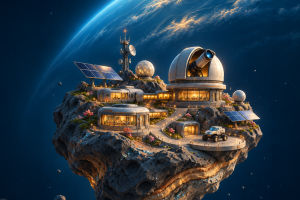 Staying Alive in SpaceRadiation, Skeletal Loss, and Recycled Water: What It Really Takes for Humans to Live off Earth Long Term
-
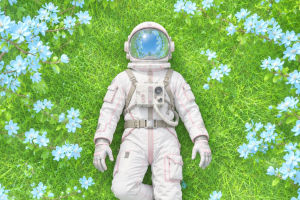 Growing Plants in OrbitAstronauts Coax Crops From Sealed Chambers With LED Light, Paper Wicks, and Careful Water Control
-
 Homes on the Moon?Building a Place to Live on the Moon Is Less About Shipping Materials Up and More About Using What's Already There
Contact to : xyjph123@gmail.com
Privacy Agreement
Copyright © boyuanhulian 2020 - 2022. All Right Reserved.
Privacy Agreement
Copyright © boyuanhulian 2020 - 2022. All Right Reserved.