Baobab Water Secrets
Across parts of Africa, an unusual tree stands out because of its enormous trunk, thick branches, and remarkable ability to survive in dry environments. Known as the baobab tree, it is often called the Tree of Life because of its many uses and importance to local communities.
One of its most fascinating features is its ability to store large amounts of water inside its trunk. But how can a tree hold more than 1,000 kilograms of water and continue growing through long periods with little rainfall? The answer lies in its special structure and natural adaptations.
A Trunk Built for Water Storage
The baobab has a distinctive appearance that makes it easy to recognize. Its trunk can become extremely wide, while its branches spread out above it. Unlike many ordinary trees, the baobab has soft, spongy inner tissues that can retain considerable moisture.
This unusual structure works somewhat like a natural sponge. When rain falls, the tree absorbs water through its roots and stores some of it within its trunk and other tissues. Its enormous size provides considerable space for holding moisture, helping it cope with changing water conditions.
How the Tree Collects Water
Water storage begins when rainfall reaches the ground. The baobab's extensive root system helps collect moisture from the surrounding soil. Its roots absorb available water and transport it through the tree.
Rainy periods provide an important opportunity to replenish its internal reserves. Water moves through the tree's tissues, where some remains stored for later use. Its soft trunk plays a particularly important role because its structure can retain moisture.
This process happens gradually rather than in a single moment. The tree makes use of available rainfall and builds up reserves that support its survival during drier periods.
Surviving Long Dry Periods
The baobab's water-storage ability becomes especially useful when rainfall decreases. During extended dry periods, the tree can draw on moisture retained in its tissues.
Its large trunk is not simply a feature of its appearance. It is part of a natural survival system that helps the tree cope with challenging environmental conditions. By storing water when it is available, the baobab reduces its dependence on frequent rainfall.
However, this ability does not make the tree completely unaffected by drought. Extremely dry conditions and environmental changes can still place pressure on its growth and long-term survival.
More Than a Water Reservoir
The baobab is valued for much more than its ability to retain moisture. Its fruit is an important food resource in communities where the tree grows. The fruit can be eaten directly or processed into powder for use in different foods and drinks.
Its leaves also have practical uses, while its bark has traditionally provided fibers for making useful materials. These benefits explain why the tree has such an important place in local life.
A single baobab can provide food and natural materials while contributing to the surrounding landscape. Its enormous size and unusual shape also make it a recognizable part of Africa's natural environment.
Protecting an Extraordinary Tree
Despite its impressive adaptations, the baobab still faces environmental challenges. Changes in rainfall patterns, habitat pressure, and the removal of mature trees can affect its ability to survive.
Because baobabs can live for centuries, losing a large, established tree means losing a natural resource that cannot be quickly replaced. Protecting the areas where these trees grow is therefore important.
Preserving mature trees and supporting responsible land management can help maintain their natural habitats and give future generations the opportunity to appreciate them.
Final Thoughts
The baobab demonstrates how plants can develop remarkable ways to adapt to difficult environments. Its broad trunk, moisture-retaining tissues, and extensive root system work together to help it manage limited rainfall.
Its ability to store water is only one part of what makes this tree extraordinary. Its fruit, leaves, bark, and importance to local communities also contribute to its reputation as the Tree of Life. By understanding its natural adaptations, we can better appreciate why this remarkable African tree deserves protection.
The Baobab Tree The Upside Down Giant That Stores Thousands of Liters of Water! 🌳💧
Video by Djana.nihale
-
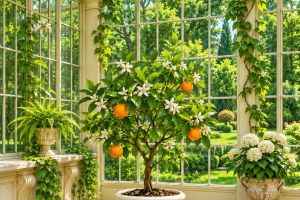 Growing Dwarf CitrusCan tiny citrus trees thrive in small spaces? Learn how to grow fresh fruit right at home
-
 Why Lilies FloatWater lilies don't fight the water, they use it. Here's the quiet engineering behind those floating blooms.
-
 Yellow Roses & Their MeaningThey used to mean jealousy; now they mostly mean friendship. Here is how yellow roses got a new message
Contact to : xyjph123@gmail.com
Privacy Agreement
Copyright © boyuanhulian 2020 - 2022. All Right Reserved.
Privacy Agreement
Copyright © boyuanhulian 2020 - 2022. All Right Reserved.