Reading Brushstrokes
Hi, Readers! A painting's brushmarks are a bit like handwriting at the end of a long day: hard to fake well, full of habits, and packed with clues.
When experts judge whether a work is genuine, they do not just stand there squinting dramatically like someone in a mystery show. They study the brushwork, because those little marks can reveal how the artist moved, paused, layered color, and built the image.
A brushmark is the trace left by a brush or similar tool on a painted surface. It can be thick or thin, smooth or rough, quick or deliberate. And in art authentication, that matters a lot.
What a brushmark reveals
In painting, brushwork is not just decoration. It shows method. Experts look at the direction, pressure, rhythm, and consistency of the marks. Some painters use short, choppy touches like quick footsteps across a floor. Others glide in longer, flowing lines that feel calm and controlled. These habits tend to repeat across an artist's works, even when the subject changes. That is why brushmarks can act like a signature hidden in plain sight. The visible mark may also show how much paint was loaded onto the brush, whether the artist worked quickly, and how the surface underneath affected the final result.
Why style alone is not enough
Now, here is the tricky part. A brushmark can help, but it cannot do the whole job alone. A skilled imitator may copy the overall look of a painting, including obvious surface features. But experts do not stop at the first glance. They compare many details: how paint overlaps, where marks hesitate, whether layers make sense, and whether the handling stays convincing from one area to another. Think of it like listening to someone imitate a singer. They may nail the chorus, but the little turns, pauses, and natural patterns often give them away.
Close looking matters
Brushwork is examined carefully because paintings are built through countless choices. Experts may study whether marks follow the form of a face, fabric, sky, or tree in a way that matches the artist's known practice. They also check whether the energy of the marks fits the rest of the composition. If one section feels stiff while everything else feels alive, that can raise questions. The texture of the mark matters too. Thick paint can sit on the surface in ridges, while thinner applications may soak in more quietly. These features can show whether the painter's process feels natural or forced.
Technique, material, and touch
The meaning of brushwork also depends on the medium and tool. The mark left by a brush is influenced by the kind of paint, the shape of the brush, and the surface being painted. A soft brush and fluid paint create very different traces from a stiffer tool and heavier paint. Experts keep those practical factors in mind. They are not just admiring the surface like art tourists with good lighting. They ask whether the marks make technical sense. Does the mark match the material? Does the layering fit the working method? Does the handling align with what is known about the artist's practice?
Authentication is a bigger puzzle
Even so, authenticity is never decided by brushwork alone. Experts combine visual analysis with other evidence, such as provenance, materials, condition, and comparison with accepted works. Brushmarks are one piece of the puzzle, but a very telling one. They can expose awkward imitation, unexpected habits, or inconsistencies that do not belong. At the same time, they can support authenticity when the handling of paint feels deeply characteristic and internally consistent. It is less like finding one magic clue and more like building a careful case from many small, stubborn facts.
In the end, the brushmark is where a painting gets wonderfully personal. It carries movement, decision, hesitation, confidence, and touch, all pressed into a tiny trail of paint. So when experts use brushwork to judge authenticity, they are really reading the artist's behavior on the canvas, one mark at a time. Next time you look at a painting, do not just see the picture. Follow the marks. They may be whispering the whole story.
-
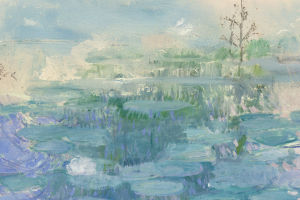 Tempera vs. Oil PaintingExplore how two traditional painting techniques differ in drying time, color blending, texture, and artistic possibilities
-
 Columns, Beams, WallsColumns carry weight down, beams carry it across, and walls decide how stiff or open a building feels
-
 How Load Bearing WorksColumns, beams, and walls transfer loads to the ground. Here is how each part does its job
Contact to : xyjph123@gmail.com
Privacy Agreement
Copyright © boyuanhulian 2020 - 2022. All Right Reserved.
Privacy Agreement
Copyright © boyuanhulian 2020 - 2022. All Right Reserved.