Dandelion Life Cycle
Dear Lykkers, have you ever watched a fluffy white dandelion seed float through the air on a breezy day? This familiar plant has a fascinating life cycle, beginning with a tiny seed and ending with another round of seeds ready to travel.
Today, let's explore how dandelions grow, bloom, and spread, and learn how we can observe each stage in a garden or nearby park.
From Seed to New Home
A dandelion begins its journey when mature seeds leave the parent plant. Each seed has a delicate tuft of fine hairs that acts like a tiny parachute. When the wind blows, the seeds may travel across a field, settle beside a garden path, or land in a small patch of soil.
A suitable landing place helps the seed begin growing. Dandelions can thrive in different environments, but they still need moisture, suitable temperatures, and contact with soil. Seeds that land on dry stone may not grow, while those that reach damp ground have a better chance of growing.
We can look for new seedlings after rainfall. A small green shoot may appear in a place that seemed empty just days earlier.
Germination and Early Care
When conditions are right, a seed absorbs water and begins to germinate. A tiny root grows downward, while the first leaves emerge above the soil. These young leaves are delicate and bright green.
If we grow dandelions in a container, we should keep the soil lightly moist, not soaked. Checking the upper two or three centimeters of soil can help us decide when watering is needed. Drainage holes allow excess water to escape and help protect the roots.
During early growth, gentle sunlight is helpful. As the seedling becomes stronger, it can receive more direct sunshine. We should also avoid moving it unnecessarily because young roots need time to settle into the soil.
Growing Strong Leaves
As the plant develops, more leaves spread outward from its center. Dandelion leaves often have pointed edges and form a low, green cluster close to the ground.
Sunlight provides energy for photosynthesis, the process through which leaves produce food for the plant. A bright outdoor location generally supports healthy growth, although weather and soil conditions also affect development.
Dandelions develop a strong central root that can reach deeper soil for moisture. This root also stores energy, helping the plant survive changing conditions. If we grow one at home, a deeper container gives the root more room.
A little mature compost may help improve poor soil, but excessive feeding is unnecessary. Regular observation and sensible watering are usually enough to support steady growth.
Golden Flowers Appear
When the plant is ready to bloom, a small green bud appears on a slender stalk above the leaves. Within several days, the bud may open into a bright yellow flower head made up of many tiny florets.
Dandelions often bloom in spring, although flowering times vary by region and weather. Their golden flowers stand out against green grass and attract bees and other visiting insects.
We can watch these visitors without picking the flowers. Children may enjoy counting the insects they see or recording the date when the first flower opens. These simple activities make an ordinary walk more interesting and help us understand how plants and insects interact.
From Flowers to Flying Seeds
After flowering, the yellow florets gradually wither, and seeds begin to develop. The flower head changes as the seeds mature, eventually forming the familiar round, white structure.
Each seed has a light tuft that catches the wind and helps it travel. When a breeze arrives, the seeds may drift away individually, searching for places where they can grow.
Not every seed becomes a new plant. Some land on dry surfaces, while others reach suitable soil with enough moisture and sunlight. Those that survive can begin the same cycle again.
We can photograph one dandelion over several days to record its changing appearance, from a golden flower to a fluffy seed head. This small project reveals how much can happen in an ordinary patch of grass.
The dandelion's life cycle takes us through several remarkable stages: seed dispersal, germination, leaf growth, flowering, and seed production. Each stage plays a part in helping this familiar plant continue its life cycle.
Next time we visit a park or garden, let's pause and look closely at this incredible natural beauty.
Dandelion flowers developing into seeds time-lapse - UHD 4K
Video by Steve Downer - Wildlife + Macro Cinematography
-
 When Leaves Are YellowingYellow leaves are usually a signal. Here's how to read the message and fix it fast
-
 Greenhouse Flower TipsWant beautiful blooms year-round? Learn simple greenhouse tips to help your flowers thrive
-
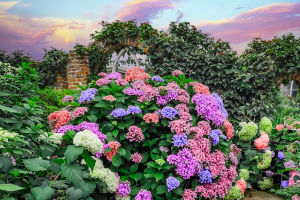 Hydrangea Bloom SecretsWant Bigger Hydrangea Blooms? These Simple Care Tips Can Fill Your Garden With Stunning Colors All Season Long
Contact to : xyjph123@gmail.com
Privacy Agreement
Copyright © boyuanhulian 2020 - 2022. All Right Reserved.
Privacy Agreement
Copyright © boyuanhulian 2020 - 2022. All Right Reserved.