Battle Rope Basics
Battle ropes can look intimidating at first, especially when they are thick, heavy, and stretched across a gym floor. In reality, the basic movements are surprisingly easy to learn.
With the right setup and a controlled approach, beginners can use them without turning the first session into an exhausting challenge.
What Are Battle Ropes?
Battle ropes are long, heavy ropes attached to a fixed anchor point. Each end has a handle, allowing both arms to move independently or together. The rope creates resistance through its weight and the effort required to send waves, slams, or circles toward the anchor.
Their versatility is one of their biggest advantages. Exercise scientist John Porcari of the University of Wisconsin-La Crosse led a study for the American Council on Exercise (ACE) and found that short rope intervals raised heart rates to a vigorous level that meets guidelines for improving cardiovascular fitness.
Intensity can also be changed by adjusting rope length, movement speed, wave size, and distance from the anchor.
Start With the Right Stance
Before moving the rope, establish a stable position. Stand with the feet around shoulder-width apart, keep a slight bend in the knees, and maintain a straight back. A small forward lean can help create a balanced athletic position.
Hold the handles firmly without squeezing excessively. Keep the shoulders relaxed rather than pulling them toward the ears. The goal is to create movement through the arms while allowing the legs and midsection to help stabilize the body.
Master the Basic Wave
The alternating wave is one of the simplest places for beginners to start. Hold one rope end in each hand and position the hands in front of the hips. Raise one arm while lowering the other, then switch sides.
The movement should create a continuous wave traveling from the hands toward the anchor. Avoid trying to make the biggest possible wave immediately.
Try Double-Arm Waves
Once alternating waves feel comfortable, move both arms together. Raise and lower the handles at the same time, creating matching waves in the rope. This variation changes the movement pattern and can feel more demanding because both arms are working simultaneously. Keep the knees slightly bent and avoid using excessive upper-body movement to force the rope.
Learn the Slam Safely
The double-arm slam introduces more explosive movement. Begin with both handles in front of the body, raise the arms, then drive the ropes toward the floor with controlled force.
The aim is not simply to hit the floor as hard as possible. Good technique requires the whole body to contribute while the torso remains controlled. Beginners can start with short work periods rather than trying to maintain repeated slams for several minutes.
How Long Should Beginners Train?
There is no need to begin with a long battle-rope session. Short intervals can provide plenty of challenge, particularly for someone unfamiliar with the movement.
Start with 15 to 20 seconds of rope work, followed by enough recovery to regain control and breathing. Repeat several rounds and gradually increase the work period as technique improves.
Common Beginner Mistakes
One common mistake is focusing entirely on speed. Faster movements are not automatically better if posture and rhythm start to break down. Another is standing too rigidly, which makes it harder to create smooth waves.
Using too much rope slack can also change the challenge. Moving closer to the anchor generally increases resistance, while stepping farther away can reduce it. It is also worth stopping a set when technique deteriorates, since controlled movement matters more than completing a predetermined number of repetitions.
Build a Simple Beginner Routine
A straightforward session can begin with a few minutes of general movement to warm up. Follow that with alternating waves, double-arm waves, and short sets of slams. Rest between exercises and focus on producing consistent rope movement. As experience develops, additional variations can be introduced, including circles, lateral movements, or exercises combined with lower-body movements.
Once the basic rhythm feels comfortable, battle ropes can add conditioning, muscular effort, and movement variety to a regular workout. When adding a new variation, keep it to short intervals until it feels as smooth as the alternating wave.
-
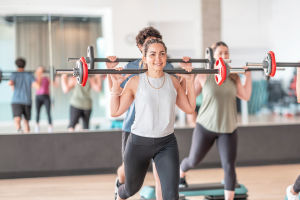 Beginner Strength TrainingSimple moves, sensible loads and a two-day plan for building strength without complicated workouts.
 -
 Curling Rules ExplainedA beginner's guide to how stones, sweeping, the hammer and scoring shape every end of a match.
 -
 Paddleboard Safety TipsSimple Paddleboarding Safety Tips That Help Beginners Stay Calm, Prepared, and Safer on the Water.
Contact to : xyjph123@gmail.com
Privacy Agreement
Copyright © boyuanhulian 2020 - 2022. All Right Reserved.
Privacy Agreement
Copyright © boyuanhulian 2020 - 2022. All Right Reserved.