Violin String Care
Lykkers, have you ever finished practicing the violin and put it away without cleaning the strings? This small detail can affect how well our instrument performs over time. During practice, rosin dust, sweat, and natural oils from our fingers collect on the strings.
If we leave these materials in place, they can affect the surface and sound. Fortunately, caring for violin strings is simple. With a soft cloth and a few regular habits, we can keep them clean and enjoy a more consistent playing experience.
Why We Should Clean Strings After Practice
When we play, the bow transfers rosin onto the strings to help produce sound. However, excess rosin can build up and leave a pale coating on the surface. Our fingers also leave behind sweat and natural oils. Moisture and salt may contribute to corrosion, especially when residue remains for long periods.
Over time, this buildup can make the strings feel less smooth and affect their response. Cleaning them after each session removes fresh residue before it becomes difficult to clear. It also gives us a chance to notice discoloration, rough spots, or other signs of wear.
How to Wipe the Strings Correctly
A clean, dry microfiber cloth or a cloth designed for musical instruments is suitable for daily care. Avoid rough paper products and dirty fabrics, which may leave fibers or scratch delicate surfaces.
First, hold the violin securely or place it on a stable surface. Fold the cloth into a small section and gently wipe each string along its length. Use light pressure and avoid pulling on the strings.
Clean all four strings, including the thin E string. Pay particular attention to the area beneath the bow, where rosin often collects. We can also remove loose dust from the fingerboard, but take care around the bridge and other delicate parts.
Afterward, check the cloth for residue and use a clean section when needed. Keeping it dry and washing it regularly helps prevent dirt from returning to the instrument.
When Deeper Cleaning Is Needed
Daily wiping removes fresh deposits, but older rosin may collect around the strings' winding. Inspect the surface regularly and consider deeper cleaning once or twice a month if visible buildup remains.
A product made specifically for violin strings is a suitable option. Follow its instructions and keep liquids away from the wooden body and varnished surfaces. Alcohol-based products and strong household cleaners can damage the finish if they spill onto the instrument.
We should also avoid soaking the strings or scrubbing them aggressively. If the residue is difficult to remove or the winding appears damaged, ask a qualified violin technician for advice rather than experimenting with cleaning solutions.
Protecting Strings Between Practice Sessions
Storage conditions also affect the instrument. A relative humidity level of around 40% to 60% is a useful general target for many violins, although local conditions and the instrument itself can influence what works best. Suitable case humidifiers or dehumidifying products can help manage moisture when used correctly.
Before playing, wash and dry your hands to reduce the transfer of sweat and oils. Keep your fingernails neatly trimmed so your fingers can move comfortably without scratching nearby surfaces.
After practice, return the violin to its case. Keep it away from direct sunlight, dust, and sudden temperature changes. If you plan to stop playing for a long period, consult a technician before making major adjustments to string tension.
Knowing When to Replace Old Strings
Even with regular care, strings eventually wear out. Their lifespan depends on the material, playing frequency, storage conditions, and individual habits. Some students replace their strings every two to three months, while others may use them longer. This is a general reference rather than a strict schedule.
Pay attention to changes in sound, tuning stability, and playing feel. Strings that repeatedly lose their tuning, develop rough winding, or sound noticeably dull may need to be replaced. If a string shows clear damage, have it checked promptly.
Replacing the complete set can help maintain a balanced sound, but the timing should reflect the instrument's condition and how often we play. A teacher or technician can help us choose suitable replacements.
Violin care does not require expensive accessories or complicated steps. Wipe all four strings with a dry, soft cloth after every practice session, store the instrument properly, and inspect the strings regularly. Use deeper cleaning only when necessary, and choose products designed for the instrument.
These small actions take little time but can help preserve a clean playing surface and reveal early signs of wear. The next time you finish practicing, set aside one extra minute for your strings. Could this simple habit become part of your daily musical routine?
How to Care for Your Violin - Violin Maintenance
Video by Violinspiration - Violin Lessons
-
 Paint a StoryHow can a simple house become the heart of a landscape painting?
 -
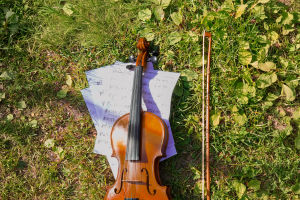 Master the Violin BasicsLearn to play the violin with essential techniques for smooth bowing, accurate notes, and beautiful melodies
 -
 Piano Care TipsKeep your piano beautiful and ready to play with simple cleaning techniques, careful maintenance, and the right room conditions
Contact to : xyjph123@gmail.com
Privacy Agreement
Copyright © boyuanhulian 2020 - 2022. All Right Reserved.
Privacy Agreement
Copyright © boyuanhulian 2020 - 2022. All Right Reserved.