Violin Holding Tips
Learning to hold a violin comfortably is one of the first steps toward playing with confidence.
The instrument requires coordinated movements of the head, shoulders, arms, and hands, so establishing a natural position helps beginners develop control and move more freely.
Understanding how to support the violin, position the body, and hold the bow creates a foundation for accurate fingering and smooth sound production. With consistent practice, these basic skills become easier to coordinate.
Positioning the Violin Correctly
The violin typically rests between the left shoulder and the lower jaw, with its neck extending toward the left hand. The instrument should sit at a comfortable angle that allows the fingers to reach the strings while the head and shoulders remain relaxed.
A shoulder rest or suitable alternative can help support the instrument, depending on the player's anatomy and preferences. The goal is to achieve a secure, balanced position without relying on excessive pressure from the chin or shoulder.
Small adjustments to the violin's height and angle can improve comfort and make it easier to move between strings. Beginners should focus on finding a position that feels stable while allowing the arms and hands to remain flexible.
Maintaining Balanced Posture
A comfortable posture supports coordinated movement throughout a practice session. When standing, keep the feet comfortably apart and distribute your weight evenly. When sitting, place both feet securely on the floor and maintain a naturally upright back.
Keep the shoulders relaxed and allow the elbows to move as needed during playing. The body should remain balanced rather than rigid, giving the arms sufficient freedom to guide the instrument and bow.
Regularly checking posture in a mirror can help beginners observe their alignment and make small adjustments. Over time, these habits support more consistent playing and comfortable practice.
Developing Natural Hand Placement
The left hand moves along the violin's neck while the fingers press the strings against the fingerboard to produce different notes. Keep the thumb gently positioned alongside the neck, with the fingers naturally curved and ready to move.
The wrist should remain flexible, and the hand should align comfortably with the forearm. The elbow can adjust its position to help the fingers reach different strings without unnecessary tension.
The right hand controls the bow. A balanced bow hold allows the fingers to curve naturally around it while the wrist and arm guide its movement across the strings. Beginners can practise holding the bow separately before combining bow movement with left-hand fingering.
Building Coordination Through Practice
Short, focused practice sessions help beginners become familiar with the instrument's position and the movements required to play. Start by checking posture, settling the violin comfortably, and practising simple bow movements before attempting more complex passages.
A mirror can help you monitor the instrument's angle, shoulder position, and bow alignment. Practising slowly also provides time to coordinate finger placement with bow movement and listen carefully to the resulting sound.
As these skills develop, gradually introduce simple scales and short musical passages. Consistent practice helps reinforce technique and supports greater control over tone and rhythm.
Establishing a Strong Musical Foundation
Comfortable violin technique begins with a balanced instrument position, relaxed posture, and coordinated hand movements. These fundamentals help beginners approach practice with greater control and prepare them to explore more advanced musical skills.
By developing these habits from the beginning, learners can build a reliable foundation for fingering, bowing, and musical expression. Patient practice and attention to technique make learning the violin a more rewarding experience.
-
 Piano Care TipsKeep your piano beautiful and ready to play with simple cleaning techniques, careful maintenance, and the right room conditions
 -
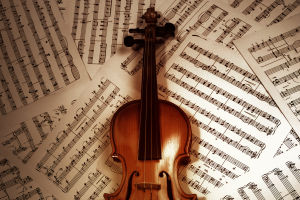 Violin Holding TipsMaster violin positioning, relaxed posture, and proper hand placement for confident, comfortable playing
 -
 Depth of Field Made SimpleHow aperture, distance, and focal length decide what stays sharp and what goes soft in your photos.
Contact to : xyjph123@gmail.com
Privacy Agreement
Copyright © boyuanhulian 2020 - 2022. All Right Reserved.
Privacy Agreement
Copyright © boyuanhulian 2020 - 2022. All Right Reserved.