Designing a Storybook Bunny
A successful storybook bunny needs more than a charming appearance. Its shape, posture, expression, color, and movement should work together to communicate personality and support the story.
In children's books, illustrations often provide information that words do not, making each visual choice part of the storytelling process.
A rounded head may create a gentle impression, while long ears can make the character instantly recognizable. A small satchel can suggest that the bunny is going somewhere, while a carefully placed gaze can direct attention toward an important part of the scene. When these details work together, the character becomes easier to recognize and follow throughout the book.
Build a Distinctive Character Shape
Begin with simple shapes before adding clothing, texture, or small details. Experiment with different head-to-body proportions, ear shapes, and body silhouettes. A compact rounded body can create a soft appearance, while longer limbs can introduce a sense of movement.
Create several silhouette studies using solid shapes. If the bunny remains recognizable without internal details, the design has a strong visual foundation. This test is particularly useful because illustrations may appear at different sizes throughout a book.
Once the basic design is established, create a character sheet showing front, side, and three-quarter views. Include several expressions and poses as references for later illustrations. Consistent proportions and recognizable features help the character remain visually coherent from one spread to another.
Use Poses to Show Personality
A character's posture can communicate information before the reader studies the face. Upright ears can suggest attention, a tilted ear can add curiosity, and lowered ears can create a quieter impression. These details become more effective when combined with the position of the body, head, paws, and eyes.
Avoid relying on a single feature to communicate an emotion. Instead, allow several elements to work together. A curious bunny might lean forward while looking toward an unfamiliar object. A surprised bunny might stretch upward and widen its eyes. A relaxed bunny might sit with a softer posture and a lowered head.
Test expressions and poses at thumbnail size. If the intended feeling remains understandable when the drawing is small, the visual communication is likely to remain clear in the finished book.
Choose a Consistent Color Palette
Color can establish the visual identity of a storybook and help maintain continuity between spreads. Begin with a limited group of related colors that can be repeated throughout the illustrations. A small accent color can then draw attention to important objects or moments.
The bunny should remain visually distinct from its surroundings. Consider the relationship between the character and the background rather than selecting colors independently for each element.
Value is also important. Convert a draft illustration to grayscale and check whether the bunny, important objects, and background remain visually separated. Colors that appear different on a screen can become difficult to distinguish when their lightness is similar.
Different media can produce different visual qualities. Watercolor can create soft transitions, colored pencil can provide subtle texture, and opaque paint can create stronger shapes. Digital illustration can also reproduce a range of visual approaches when the treatment remains consistent across the book.
Plan Each Page as Part of the Story
A children's book illustration should be considered as part of a complete sequence rather than as an isolated image. Character placement, text space, background details, and page-turn opportunities all need to work together.
Leave intentional areas for text and avoid placing important visual information across the center fold. Paths, character gazes, gestures, and other directional elements can guide the reader toward the next important detail or page.
Vary the composition throughout the book. A close view can emphasize an expression, while a wider scene can establish the setting. Repeated shapes can create visual rhythm, while a significant change in scale can make an important moment stand out.
Create thumbnail sketches for the entire book before developing finished artwork. Seeing the spreads together makes it easier to identify repeated compositions, uneven pacing, or sections that need more visual breathing room. Storyboarding is widely used to plan composition, pacing, text placement, and page turns before final artwork begins.
Make the Illustration Add to the Words
The strongest picture-book illustrations do more than repeat the sentence printed beside them. They can reveal setting details, show a character's reaction, introduce visual clues, or provide information that encourages the reader to look more closely.
For example, if the text says that the bunny is preparing for a journey, the illustration might show the bunny checking a small bag, studying a map, or looking toward a distant path. The words establish the idea while the image expands it.
This approach gives children additional visual information to discover and allows the illustrations to become an active part of the narrative.
Review the Complete Sequence
Before finalizing the artwork, review the pages together rather than evaluating each illustration separately. Look for consistent character proportions, recurring colors, logical object placement, and clear changes in pose.
Review the pages at a natural reading pace and observe how one image leads into the next. Check whether important information appears at the right moment and whether each page turn creates a natural sense of discovery.
It is also useful to view the illustrations without the text. The images should communicate enough about the characters, setting, and action to help the reader understand the visual progression.
Small adjustments can make a significant difference. Moving an eye direction, simplifying a background, changing the character's position, or increasing empty space may improve clarity without requiring a complete redraw.
Create a Character That Lasts
A memorable storybook bunny is built through consistency and purposeful visual choices. Its silhouette makes it recognizable, its expressions communicate personality, its poses support the action, and its colors help establish a unified visual world.
When character design, composition, color, and page sequence are planned together, even a simple bunny can become a strong visual storyteller. The goal is not to fill every page with detail, but to make every important detail contribute to the reader's experience.
-
 Oil Brush Care GuideProfessional cleaning, reshaping, drying, and storage practices for maintaining oil-painting brushes
 -
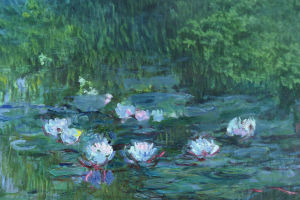 Color and Emotion in ArtHow hue, saturation, contrast, and composition shape the visual and emotional experience of a painting
 -
 Metaphor vs PersonificationBoth make comparisons, but they do it in completely different ways. Here's how to tell them apart.
Contact to : xyjph123@gmail.com
Privacy Agreement
Copyright © boyuanhulian 2020 - 2022. All Right Reserved.
Privacy Agreement
Copyright © boyuanhulian 2020 - 2022. All Right Reserved.