Perfect Concert Hall
Walking into a well-designed music hall, you feel the air vibrate even before the first note is played. The layout, materials, and lighting all work together to enhance every instrument, every voice.
Behind this seamless experience is careful planning, combining science, art, and human psychology.
Designing a music hall isn't just about making a beautiful space—it's about creating a venue where sound, sight, and atmosphere unite.
Acoustic Precision
Sound is the heart of any music hall, and acoustics determine how music reaches every listener. Designers balance reflection, absorption, and diffusion to ensure clarity and warmth.
Practical examples:
1. Using angled walls and ceilings can direct sound waves evenly, preventing echoes and dead spots.
2. Wooden panels often enhance warmth, while acoustic curtains can adjust reverberation for different performances.
3. Designers can model halls digitally to test how sound behaves before construction, allowing adjustments to materials and shapes.
Even small adjustments, like the placement of a balcony or a panel, can dramatically change how music is perceived.
Seating and Sightlines
Every seat should offer both a good view and clear sound. The arrangement of chairs, tiers, and aisles influences audience comfort and engagement.
Practical examples:
1. A fan-shaped layout helps more listeners feel close to the stage, reducing distance for both sound and sight.
2. Staggered seating or slight elevation of rows prevents visual obstructions while maintaining acoustic consistency.
3. Architects can mock up seating sections in 3D to identify sightline issues and tweak angles for optimal experience.
Good seating design ensures that every audience member enjoys the performance equally, whether in the front row or the back.
Stage Design and Performer Needs
The stage must accommodate performers comfortably while projecting sound naturally into the hall. Its materials, size, and height all play a role.
Practical examples:
1. A slightly raised stage can improve audience sightlines and enhance acoustic projection.
2. Removable risers or platforms allow for flexible arrangements, from solo recitals to full orchestras.
3. Using reflective wood or panels behind performers helps bounce sound into the audience, enriching the listening experience.
Stage design also considers lighting, accessibility, and backstage flow to make performances smooth and professional.
Materials and Aesthetics
Visual appeal enhances the music experience, but materials also impact acoustics. Combining beauty and function is essential.
Practical examples:
1. Hardwood flooring and paneling often enhance resonance, while carpets or fabric can control excessive echo.
2. Glass or metal elements may be used strategically, but designers often avoid them in places that could create harsh reflections.
3. Designers can experiment with textures and finishes to create spaces that are both visually stunning and sonically balanced.
A hall should feel inviting, elegant, and reflective of the music it hosts, so aesthetics and function go hand in hand.
Lighting and Atmosphere
Lighting affects both performance and audience perception, guiding focus and creating mood. Dynamic, adjustable systems allow for versatility.
Practical examples:
1. Spotlights can highlight soloists without overwhelming the hall, while soft ambient lighting supports ensemble performances.
2. Dimmable lights allow the audience to settle in before a performance, enhancing anticipation and immersion.
3. Designers can integrate natural light for daytime events, combining it with acoustic considerations to avoid glare or reflections.
Atmosphere extends beyond visuals—comfortable temperatures, clear signage, and intuitive pathways all contribute to the experience.
A well-designed music hall is a fusion of science and art. From acoustics to aesthetics, every decision shapes how music is experienced. When done right, the hall becomes more than a building—it becomes a living instrument that amplifies emotion, clarity, and the joy of live performance.
-
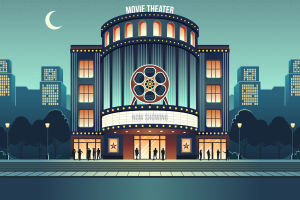 Why Theaters Still ShineIn a streaming world, the big screen is making a surprising comeback with better tech, shared thrills, and unforgettable nights out
 -
 Texture in SculptureHow surface, material, light, and craftsmanship bring depth and character to sculptural art
 -
 Monetize Masterpieces Now!Still just posting your art? Learn how to turn pixels into paychecks and go from follower counts to financial freedom!
Contact to : xyjph123@gmail.com
Privacy Agreement
Copyright © boyuanhulian 2020 - 2022. All Right Reserved.
Privacy Agreement
Copyright © boyuanhulian 2020 - 2022. All Right Reserved.