Inside Luxury Fashion
Hello, Lykkers! When people hear the words luxury fashion, they may immediately think of famous labels, impressive price tags, or exclusive collections. But a high price alone doesn't automatically make a garment luxurious.
True luxury is often found in the details that aren't immediately visible—the quality of materials, the skill behind the construction, the thought given to design, and the time invested in creating something exceptional.
Understanding these elements can make it easier to appreciate why certain fashion pieces command higher prices and why some remain desirable for decades.
Quality Begins With the Materials
One of the first things that separates luxury fashion from ordinary clothing is material selection.
High-end designers may choose carefully sourced leather, fine wool, silk, cashmere, or other premium textiles because their texture, durability, appearance, and performance can contribute to the finished product. However, quality isn't simply about choosing the most expensive material available. The way a material is sourced, prepared, cut, and handled matters just as much. A beautiful fabric can still produce a disappointing garment if it is poorly constructed. This is why examining the fabric, stitching, lining, buttons, zippers, and finishing can tell you more about quality than a brand name alone.
Craftsmanship Takes Time
Luxury fashion often places considerable emphasis on craftsmanship. Skilled workers may spend many hours cutting patterns, assembling pieces, creating precise seams, finishing edges, or applying decorative details.
Some luxury houses continue to preserve specialized techniques that have been passed from one generation of craftspeople to another. These skills can be particularly important for products such as tailored clothing, leather goods, embroidery, and haute couture.
The difference can sometimes be felt rather than immediately seen. A well-made garment tends to sit naturally on the body, maintain its structure, and show careful attention to small details.
Design Is More Than Appearance
A luxurious design isn't necessarily the most dramatic one. Good design combines aesthetics with purpose.
Consider the proportions of a jacket, the placement of a pocket, the shape of a handbag, or the way a fabric moves when someone walks. These choices affect how an item looks and functions.
Strong luxury design often has a distinctive identity while remaining wearable. Some pieces become memorable because they introduce a new silhouette or creative idea, while others become classics because their proportions and details remain appealing over time.
Attention to the Smallest Details
Have you ever looked closely at an expensive garment and noticed something you wouldn't have spotted from a distance? That's where craftsmanship becomes especially interesting.
Luxury pieces may feature carefully matched patterns, precise stitching, polished hardware, hand-finished edges, detailed embroidery, or thoughtfully designed interiors. Even areas that aren't immediately visible can receive significant attention.
These details don't necessarily make a piece more fashionable, but they can demonstrate the level of care involved in producing it.
Exclusivity Plays a Role
Luxury is also connected to scarcity and exclusivity. Limited collections, unusual materials, small production runs, and made-to-order pieces can make certain products harder to obtain.
However, exclusivity by itself doesn't guarantee quality. A rare item can still be poorly designed or constructed. The strongest luxury products combine desirability with craftsmanship and a clear creative identity.
The Importance of Heritage
Many established luxury fashion houses have histories stretching back decades or even centuries. Their heritage can influence everything from design language to production techniques.
A brand's history can add meaning to a product, particularly when traditional craftsmanship is combined with contemporary ideas. Customers aren't simply buying an object; they may also be buying into a story, design tradition, or recognizable aesthetic.
Still, heritage should support quality rather than replace it.
Luxury Is Becoming More Conscious
Today's definition of luxury is also changing. Consumers are increasingly interested in how products are made, where materials come from, how workers are treated, and how long an item is expected to last.
This has encouraged greater discussion around responsible sourcing, durability, repair, and reducing unnecessary waste. A beautifully made item that can be maintained and worn for many years can offer a different idea of luxury—one based on longevity rather than constant consumption.
Price Doesn't Tell the Whole Story
Lykkers, an expensive label isn't automatically proof that a product is luxurious. Price can reflect many factors, including branding, marketing, retail costs, exclusivity, and production.
If you're trying to understand genuine quality, look beyond the logo. Examine the construction, materials, finishing, design, and durability.
Ask yourself: Does the item feel thoughtfully made? Does the design have purpose? Can it withstand regular use? Is there something distinctive about its craftsmanship?
The Real Meaning of Luxury
Ultimately, luxury fashion is about much more than wearing something expensive. It brings together quality materials, skilled craftsmanship, thoughtful design, attention to detail, heritage, and exclusivity.
The most compelling luxury pieces don't simply follow a trend. They offer something that feels considered and lasting.
That's perhaps the greatest appeal of luxury fashion: when artistry and practicality come together, clothing and accessories can become more than things we wear—they can become expressions of creativity, craftsmanship, and personal style.
-
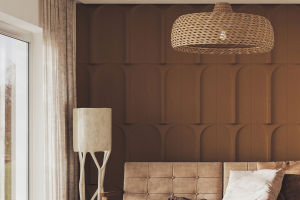 Wall Balance BasicsHow to mix art, decor, and open wall space so a room feels calm, lively, and pulled together
 -
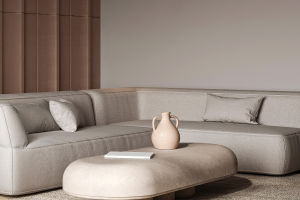 Choosing the Right RugA simple guide to rug size, material, and placement so your room stops feeling like a puzzle with missing pieces
 -
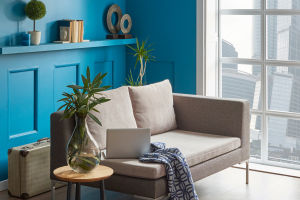 Sofa Color That LastsSmart color choices can help your living room stay calm, balanced, and beautiful for years.
Contact to : xyjph123@gmail.com
Privacy Agreement
Copyright © boyuanhulian 2020 - 2022. All Right Reserved.
Privacy Agreement
Copyright © boyuanhulian 2020 - 2022. All Right Reserved.