Layer Your Garden
Hi, Readers! A full-looking garden is a bit like a great group photo.
If everybody stands in one flat line, the whole thing looks awkward. But when taller folks head to the back, medium ones settle into the middle, and the little stars take the front, suddenly everything clicks.
That is the magic of layering plants by height. It gives your garden depth, makes each plant easier to see, and helps the whole space feel lush instead of messy.
A simple rule makes this much easier. Put the tallest plants in the back of a border that is viewed from one side. If the bed can be seen from all sides, place the tallest plants near the center. Then work downward in height as you move toward the front or the edges. This creates a natural-looking slope that lets each layer have its moment. Without that setup, shorter plants can disappear behind taller ones like tiny actors stuck behind the curtain.
Start with the tallest layer
The tallest plants act as the framework of the garden. They give structure and help anchor the design, much like the big furniture pieces in a living room. These are often shrubs, tall perennials, grasses, or climbing plants trained on supports. They should not be scattered randomly everywhere. Use them with purpose so the eye has a few clear places to land. Repeating these taller forms in more than one spot can also make the garden feel tied together instead of patchy.
Height is not just about plant size on a label. A plant may grow taller or shorter depending on light, soil, water, and the local climate. So it helps to observe how plants actually perform in your space. A border that looks balanced in a plan can turn into a leafy traffic jam if everything grows more enthusiastically than expected.
Fill in the middle ground
The middle layer is where a garden often gets its fullness. These plants connect the tall background to the low front edge, softening the transitions so the whole bed feels generous and complete. Medium-height perennials, mounding plants, and compact shrubs usually work well here. This layer can carry a lot of color and texture because it is often the part most easily seen from normal eye level.
A useful approach is to think in groups rather than as single scattered plants. Clumps or drifts of the same plant tend to look calmer and more effective than one here and one there. This keeps the design from feeling jumpy. It also helps repeating colors, leaf shapes, or forms create rhythm across the bed, which makes the garden feel intentional rather than accidental.
Keep the front low and inviting
The shortest plants belong at the front of a one-sided border or along the outer edge of an island bed. Ground covers, edging plants, and low-growing flowers are good choices here. This front layer does an important job. It softens the edge, helps hide bare soil, and welcomes the eye into the planting. Think of it as the garden's handshake. You want it to be friendly and neat, not a confusing pileup.
Short plants at the front also make maintenance easier. You can access them without wrestling past taller stems, and they do not block the view of the rest of the bed. If you like, this is also a nice place to add trailing plants that spill slightly over edging or paths for a softer look.
Use spacing and shape wisely
A garden can have the right height order and still feel thin if spacing is too wide or shapes are too similar. Fullness comes from how plants occupy space as much as from how tall they are. Mix upright forms with rounded mounds and finer textures with bolder leaves. Those contrasts keep the planting lively. At the same time, leave enough room for mature spread so the garden does not turn into a crowded commuter train by midsummer.
Layering also works best when bloom times and foliage are considered together. If one section looks wonderful for a short stretch and then collapses into emptiness, the bed can lose its fullness fast. Combining plants with different seasons of interest helps the garden stay attractive longer.
In the end, layering plants by height is really about helping every plant play its part without stepping on anyone else's toes. Start with the tallest structure, build a middle layer that connects everything, and finish with a low front edge that feels polished and welcoming. If you take a little time to arrange plants by height, shape, and spread, your garden will feel fuller, more balanced, and much easier on the eyes.
-
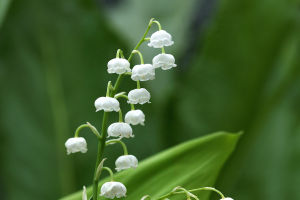 Lily Growing GuideWhy Won’t Lily of the Valley Grow? Simple Care Tips for Healthier Plants and More Beautiful Blooms Every Season!
 -
 Pick the Right PlantMatch light, space, care level, and room conditions so your plant feels at home, not like a guest in a broom closet
 -
 Desert SuperbloomsWhy Deserts Explode With Color After Rain: The Science of Superblooms and Survival
Contact to : xyjph123@gmail.com
Privacy Agreement
Copyright © boyuanhulian 2020 - 2022. All Right Reserved.
Privacy Agreement
Copyright © boyuanhulian 2020 - 2022. All Right Reserved.