Your First Watch Guide
Buying your first watch is an exciting milestone. Although its appearance may catch your attention first, selecting the right one involves more than style alone.
The movement, size, features, comfort, and build quality all influence how satisfying it will be to own and wear.
A well-chosen watch is more than a way to tell time—it is a practical everyday accessory that reflects your personal style. Understanding the fundamentals will help you make a confident and informed decision.
Know Your Style
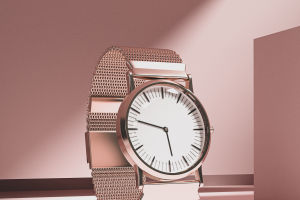
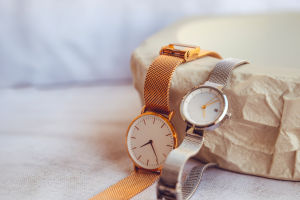
Start by choosing a style that suits your personality and daily routine. Consider whether you prefer a leather strap, a metal bracelet, or a synthetic strap. The dial color, case shape, and overall design should complement your taste and the occasions on which you plan to wear the watch.
A clean, timeless design is often the most versatile, pairing easily with both casual and more formal outfits. Rather than following short-lived trends, choose a watch you will enjoy wearing for years.
Understanding Watch Movements
The movement is the mechanism that powers a watch, making it one of its most important components. The three primary movement types are quartz, automatic, and hand-wound.
Quartz watches are battery-powered, highly accurate, and require very little maintenance, making them ideal for everyday wear.
Automatic watches are powered by the natural motion of the wearer's wrist. They are valued for their mechanical craftsmanship and their smooth sweeping seconds hand.
Hand-wound watches require regular manual winding to keep running. Many enthusiasts appreciate the traditional experience and direct connection they offer.
Each movement has distinct advantages, so the best choice depends on your preferences and lifestyle.
Choosing the Right Size
The right size improves both comfort and appearance. A watch that is too large may feel bulky, while one that is too small may appear less balanced on the wrist.
As a general guideline, case sizes between 36 mm and 40 mm suit many average-sized wrists, although wrist shape and personal preference should always be considered.
Also pay attention to case thickness and lug-to-lug length, as these measurements significantly affect how the watch fits. Whenever possible, try on different sizes before making your decision.
Understanding Watch Features
A simple watch is often the best starting point.
A traditional three-hand watch displays the hours, minutes, and seconds, while some models also include a date display.
Other features, such as chronographs for measuring elapsed time, rotating bezels, or additional displays, can be useful for specific activities but also increase complexity.
Choosing only the functions you are likely to use helps keep the watch practical and easy to enjoy.
Caring for Your Watch
Proper care helps maintain both the appearance and performance of your watch.
Avoid exposing it to extreme temperatures, strong magnetic fields, or unnecessary impacts. If your watch is water-resistant, do not operate the crown or pushers underwater unless the manufacturer specifically states that it is safe.
Quartz watches require battery replacement when necessary, while mechanical watches benefit from professional servicing according to the manufacturer's recommendations.
Cleaning the case, crystal, and strap or bracelet regularly with a soft microfiber cloth helps keep the watch looking its best.
Choosing your first watch is about balancing style, comfort, functionality, and reliability. By understanding the movement, selecting the right size, focusing on useful features, and following proper care practices, you can make a confident choice.
A thoughtfully selected watch can provide dependable performance and remain an enjoyable part of your everyday life for many years.
Contact to : xyjph123@gmail.com
Privacy Agreement
Copyright © boyuanhulian 2020 - 2022. All Right Reserved.
Privacy Agreement
Copyright © boyuanhulian 2020 - 2022. All Right Reserved.