5 Mother Sauces & Their Uses
Hi, Readers! Ever noticed how a single sauce can be transformed into dozens of variations?
The French culinary system identifies five foundational sauces, known as mother sauces. Each one serves as a base that, when combined with a few additional ingredients, yields a completely new sauce.
Understanding these five will give you the power to create almost any sauce from scratch.
Béchamel: The Creamy Foundation
Béchamel is a white sauce made from milk and a simple roux of butter and flour. To make it, melt 2 tablespoons of butter in a saucepan, whisk in 2 tablespoons of flour, and cook for 1 minute. Slowly add 1 cup of whole milk, whisking constantly until smooth and thick. Season with salt, white pepper, and a pinch of nutmeg. From béchamel you can make cheese sauce (add grated cheddar), mornay sauce (add Gruyère and Parmesan), or cream sauce (add heavy cream). Use it in lasagna, macaroni and cheese, or as a base for croquettes.
Velouté: Light and Silky
Velouté starts with a light stock, usually chicken, veal, or fish. Make a roux with 2 tablespoons butter and 2 tablespoons flour, then whisk in 1 cup of stock. Simmer for 15 minutes, skimming any foam. The result is a thin, silky sauce. Add a liaison of cream and egg yolk to turn it into allemande sauce. Add mushrooms and cream to make supreme sauce. Velouté pairs well with poultry, fish, and vegetables.
Espagnole: Rich Brown Sauce
Espagnole is the most complex mother sauce. It begins with a brown roux (butter and flour cooked until golden brown). Add 1 cup of brown stock (veal or other meat stock, but any rich stock works), a small mirepoix (chopped onion, carrot, celery), and a tablespoon of tomato paste. Simmer for 45 minutes, strain, and season. From espagnole you can make demi-glace (reduce with more stock), bordelaise (add red claret and shallots), or mushroom sauce (add sautéed mushrooms). This is the base for hearty meat dishes.
Tomato Sauce: Bright and Versatile
Mother tomato sauce is a simple puree of tomatoes, often enhanced with aromatics. Sauté a diced onion and a clove of garlic in olive oil, then add 1 can (28 oz) of crushed tomatoes. Simmer for 20 minutes, season with salt, sugar, and basil. You can turn this into marinara (add oregano and red pepper flakes), arrabbiata (add chili flakes), or Provençal (add olives and capers). Use it on pasta, pizza, or as a braising liquid.
Hollandaise: Emulsified Elegance
Hollandaise is an emulsion of egg yolks and clarified butter. Whisk 3 egg yolks with 1 tablespoon of lemon juice in a heatproof bowl over simmering water. Slowly drizzle in 6 tablespoons of melted butter while whisking constantly. The sauce should thicken and become glossy. Season with salt and a touch of cayenne. From hollandaise you can make béarnaise (add tarragon and shallot vinegar), or mousseline (fold in whipped cream). It is classic on eggs Benedict, asparagus, and fish.
Mastering these five sauces means you can create countless variations with minimal extra effort. Keep the basic recipes in mind, and you will always have a way to elevate a simple meal. Experiment with different herbs, stocks, and cheeses to make them your own. Happy cooking!
-
 Perfect Fries At Home4 Simple Secrets Standing Between You And The Crispiest Fries You've Ever Made At Home!
 -
 Veggie Burgers Worth Making!Skip the frozen patties! Homemade veggie burgers bring fresh flavor to the table!
 -
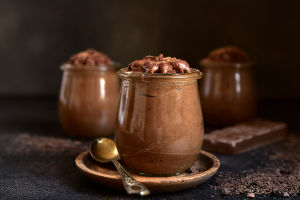 Chocolate Mousse MagicThis Effortless Chocolate Mousse Recipe Will Make You Look Like a Secret Pastry Pro
Contact to : xyjph123@gmail.com
Privacy Agreement
Copyright © boyuanhulian 2020 - 2022. All Right Reserved.
Privacy Agreement
Copyright © boyuanhulian 2020 - 2022. All Right Reserved.