Salting Stages Change Flavor
Hello, Lykkers! You might have heard the advice to season meat at the very end of cooking.
Yet many professional cooks insist on salting hours ahead, or even the day before. The difference comes down to basic chemistry and how salt interacts with proteins and moisture inside the food.
When you sprinkle salt onto raw meat, two things happen. First, the salt draws out moisture through osmosis. You see beads of liquid forming on the surface. If you cook right away, that moisture stays on the surface and steams rather than browns, leading to a gray, soggy crust. That is why salting just before cooking can actually hurt texture.
Wait a bit, though, and the salt dissolves into that surface liquid. The salt ions then migrate into the meat fibers. There, they disrupt the protein structure, causing it to unwind and then re-form in a way that traps moisture. This process, called denaturation and solubilization, allows the meat to hold onto its own juices during cooking. The result is a more tender, juicy piece of meat with seasoning that penetrates all the way through, not just on the surface.
How Time and Thickness Matter
For thin cuts like a cut of meat or chop, salting 40 minutes to 2 hours before cooking works well. For thicker roasts or whole poultry, 12 to 24 hours gives the salt enough time to reach the center. A good rule: aim for 1/2 teaspoon of salt per pound of meat. Spread it evenly on all sides. If you are short on time, even 15 minutes helps more than seasoning at the stove.
Why End-Only Salting Falls Short
Salting at the end simply seasons the outer layer. The salt does not have time to alter the protein structure inside. So moisture escapes more easily during cooking, and the interior remains bland. It can also create a salty surface that masks the natural flavor of the ingredient. That is why many recipes call for brining or dry-brining ahead of time.
Vegetables and Starches Benefit Too
The same principle applies to vegetables. Salting sliced eggplant or zucchini ahead draws out excess water, allowing them to brown better in the pan. For potatoes, salting the cooking water seasons them from within. Pasta water should be as salty as the sea so the noodles absorb seasoning as they cook.
Practical Tips for Home Cooks
Use kosher or flaky salt for even coverage. Table salt is denser, so use about half the volume. Always salt from a height for uniform distribution. If your recipe includes other seasonings, mix them with the salt first to ensure even spread.
Remember, salting is not just about taste. It changes the very structure of the food. By starting early, you let salt work its magic on both flavor and texture. Next time you prepare a cut of meat, chicken, or even roasted vegetables, try salting an hour ahead. The difference in juiciness and depth of flavor will surprise you. Happy cooking, Lykkers!
-
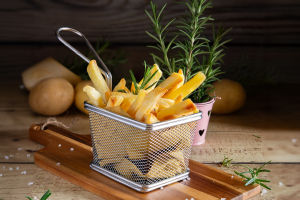 Perfect Fries At Home4 Simple Secrets Standing Between You And The Crispiest Fries You've Ever Made At Home!
 -
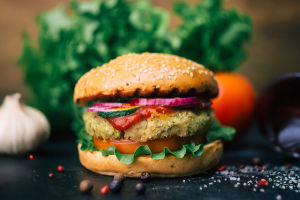 Veggie Burgers Worth Making!Skip the frozen patties! Homemade veggie burgers bring fresh flavor to the table!
 -
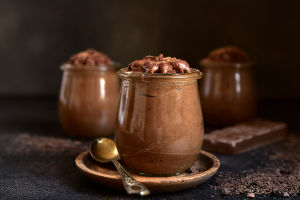 Chocolate Mousse MagicThis Effortless Chocolate Mousse Recipe Will Make You Look Like a Secret Pastry Pro
Contact to : xyjph123@gmail.com
Privacy Agreement
Copyright © boyuanhulian 2020 - 2022. All Right Reserved.
Privacy Agreement
Copyright © boyuanhulian 2020 - 2022. All Right Reserved.