Sports Field Maintenance
Welcome, Readers! Sports field maintenance plays a fundamental role in ensuring the safety, performance, and overall quality of sports facilities. A well-maintained playing surface minimizes the risk of injuries by providing athletes with stable and consistent field conditions throughout training and competition.
Proper maintenance also enhances the visual appeal of the facility, creating a professional environment that improves the experience for players, coaches, officials, and spectators. Maintaining a sports field requires a combination of regular inspections, preventive maintenance, and timely repairs to preserve its functionality over time.
1. Lawn Care
Lawn care is one of the most essential aspects of sports field maintenance because the quality of the turf directly affects player safety and game performance. A healthy and evenly maintained lawn provides better traction, reduces the likelihood of slips and falls, and creates a consistent playing surface for athletes. Regular mowing ensures that the grass remains at an appropriate height, preventing uneven growth that may interfere with ball movement or player mobility.
Fertilization supplies the nutrients necessary for healthy root development, while proper irrigation helps the turf withstand heavy foot traffic, changing weather conditions, and seasonal stress. In addition, periodic aeration and overseeding improve soil structure, encourage healthy grass growth, and repair areas damaged by intensive use, ensuring that the field remains durable and visually appealing throughout the year.
2. Drainage System
An effective drainage system is critical for maintaining the quality and usability of a sports field under various weather conditions. Heavy rainfall can quickly saturate the playing surface, leading to waterlogging, muddy conditions, and increased risks of player injuries if drainage is inadequate.
A properly designed drainage system removes excess water efficiently, protecting both the grass and the underlying soil from erosion and structural damage. Routine inspections of drainage channels, pipes, and catch basins help prevent blockages that could reduce drainage efficiency over time. By maintaining an efficient drainage system, sports facilities can minimize downtime after rain, preserve field quality, and provide athletes with a safe and reliable playing environment.
3. Field Markings
Clear and accurate field markings are essential for ensuring fair play, effective officiating, and compliance with the rules of each sport. Visible boundary lines, center lines, goal areas, and other markings help players maintain proper positioning and allow referees to make accurate decisions during competition.
Exposure to weather, sunlight, and frequent use causes painted lines to fade over time, making regular repainting necessary to maintain visibility. Modern marking equipment and durable field paints improve the consistency, precision, and longevity of these markings while reducing maintenance frequency. Well-maintained field markings contribute to a professional appearance and help ensure that competitions are conducted safely and fairly.
4. Equipment Maintenance
Sports equipment maintenance is another important component of overall field management because damaged or poorly maintained equipment can present significant safety hazards. Goals, nets, benches, fences, scoreboards, lighting systems, and protective barriers should all be inspected regularly for signs of wear, corrosion, or structural weakness.
Loose bolts, damaged frames, torn nets, and unstable installations should be repaired or replaced immediately to prevent accidents during training or competition. Preventive maintenance schedules help facility managers identify potential issues before they become costly repairs or safety risks. Consistent equipment maintenance not only protects athletes and spectators but also extends the operational lifespan of sports facilities and reduces long-term maintenance costs.
5. Environmental Considerations
Environmental sustainability has become an increasingly important aspect of sports field maintenance as organizations seek to reduce their ecological impact while maintaining high-quality playing surfaces. Using environmentally friendly fertilizers, organic soil treatments, and efficient irrigation systems helps minimize pollution and conserve valuable natural resources.
Reducing the use of harmful pesticides supports healthier soil ecosystems and protects nearby plants, animals, and water sources from chemical contamination. Facility managers can further promote sustainability by incorporating native vegetation, planting flowering species that attract pollinators, and creating habitats that encourage biodiversity. These environmentally responsible practices improve the long-term health of the field while demonstrating a commitment to sustainable sports facility management.
Sports field maintenance requires a comprehensive and well-planned approach to ensure that facilities remain safe, functional, and visually attractive throughout the year. By adopting a proactive and sustainable maintenance strategy, sports organizations can ensure that their fields continue to meet the highest standards of quality, safety, and performance for many years.
-
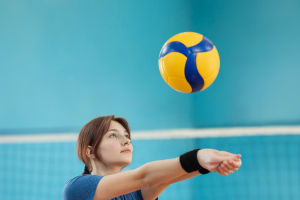 Perfect Bump SkillsCan We Master Volleyball Bumping Faster? These Simple Skills and Training Tips May Change Our Game!
 -
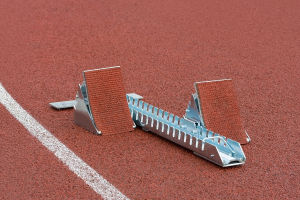 Physics of Sprint StartsThe Hidden Power of Starting Blocks: How This Small Tool Helps Sprinters Explode Faster From the First Step?
 -
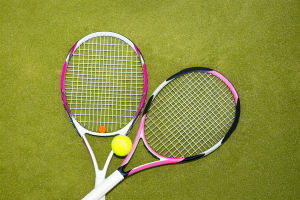 Quick Tennis ReflexesCan We React Faster in Tennis? Try These Simple Exercises to Improve Speed, Focus, and Court Performance!
Contact to : xyjph123@gmail.com
Privacy Agreement
Copyright © boyuanhulian 2020 - 2022. All Right Reserved.
Privacy Agreement
Copyright © boyuanhulian 2020 - 2022. All Right Reserved.