Ski Mountaineering
Many skiers dream of untouched snow, silent mountain ridges, and wide-open alpine scenery beyond busy resort slopes. Ski mountaineering offers this experience by combining uphill travel on skis with controlled descents through natural, ungroomed terrain.
For confident downhill skiers looking for a new challenge, ski mountaineering provides a more advanced and demanding winter activity that requires both endurance and strong technical control.
Understanding Ski Mountaineering
Ski mountaineering is different from resort skiing. Instead of using lifts, you ascend using skis fitted with climbing skins, which provide grip on snow during uphill movement. Once at the top, the skins are removed, and the descent is completed on natural terrain.
This activity requires a combination of uphill endurance, navigation awareness, and strong downhill skiing ability on variable snow conditions.
How to Prepare Before You Go
Proper preparation is essential before attempting ski mountaineering:
- Be confident skiing on advanced resort slopes (red and black runs or equivalent)
- Develop physical endurance for several hours of continuous climbing
- Learn the basics of avalanche awareness and mountain safety
- Understand how weather and snow conditions affect terrain
For beginners, it is strongly recommended to start with a guided introductory tour rather than going independently.
Essential Equipment for Safety
Safety equipment is a key part of ski mountaineering. Standard gear includes:
- Touring skis with climbing skins
- Avalanche transceiver (beacon)
- Snow probe and shovel
- Helmet and protective eyewear
- Layered cold-weather clothing
- Backpack with water, food, and emergency items
All equipment should be checked and tested before starting any ascent.
How a Typical Ski Mountaineering Day Works
A ski mountaineering day usually begins early in the morning. Before departure, weather conditions and avalanche forecasts are checked to select a safe route.
The Ascent
- Skis are fitted with climbing skins for uphill traction
- Movement is steady and paced to conserve energy
- Regular breaks are taken for hydration and rest
- Ascents can last several hours depending on terrain and elevation gain
Mountain Environment
As elevation increases, terrain becomes quieter and more remote. There are no marked pistes or facilities—only natural snow and open mountain landscapes.
Skiing Down Safely
The descent is the most technical part of ski mountaineering. Unlike groomed slopes, snow conditions are unpredictable and may vary significantly.
- Soft snow allows smoother turns and flow
- Hard or mixed snow requires precise control and balance
- Speed must always be controlled and adjusted to terrain conditions
Adaptability and technique are more important than speed.
Key Safety Rules
Safety is the highest priority in ski mountaineering:
- Always go with a qualified guide when exploring unfamiliar terrain
- Check avalanche forecasts every day before activity
- Never travel alone in backcountry environments
- Stay with the group and follow instructions at all times
- Be prepared to change or cancel plans due to weather or safety conditions
- Carry sufficient water and high-energy food for long activity periods
Common Risks
Ski mountaineering takes place in uncontrolled natural environments. Main risks include:
- Avalanche hazards
- Sudden weather changes
- Fatigue during long ascents
- Variable and challenging snow conditions during descent
These risks are managed through preparation, proper equipment, and careful decision-making.
Final Advice for Beginners
Ski mountaineering is not about speed or performance. It is about safe movement through natural terrain, controlled skiing, and awareness of changing mountain conditions.
Beginners should start with short guided experiences, focus on learning essential techniques, and gradually build confidence over time.
With proper preparation and respect for safety rules, ski mountaineering becomes a rewarding way to experience winter landscapes in a quiet and natural environment.
-
 Digital Fitness RevolutionFrom magazine subscriptions to social media, here's how your feed completely reshaped the way we work out.
 -
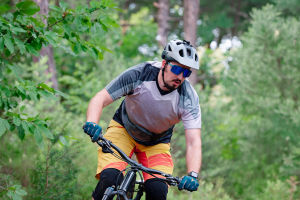 MTB Technical Trail GuideWhy do skilled riders glide through rocks? The answer starts with line choice!
 -
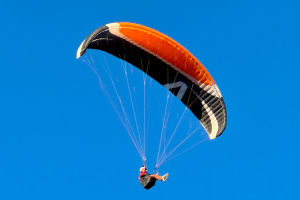 Master Risk, Enjoy RushExtreme Sports: Why Preparation, Skill, and Smart Choices Make the Thrill Worth It
Contact to : xyjph123@gmail.com
Privacy Agreement
Copyright © boyuanhulian 2020 - 2022. All Right Reserved.
Privacy Agreement
Copyright © boyuanhulian 2020 - 2022. All Right Reserved.