Finding Clarity in Challenge
Hi, Readers! There is something deeply magnetic about pushing right up to the edge of what feels possible.
More and more young people are leaning toward intense challenges, not simply for excitement, but for the feeling of being fully awake, fully present, and completely connected to themselves in a way everyday routines rarely offer.
Many stories about extreme challenges focus only on danger, yet that misses the heart of it. For a lot of young people, these experiences create a rare kind of clarity. When the body and mind have to work together in a high-pressure moment, everyday worries fade into the background.
What is left is focus, timing, breath, and trust in one’s own ability. That feeling can be deeply rewarding, especially in a life that often feels noisy and scattered.
The pull of intensity
One reason intense challenges keep growing in appeal is the emotional payoff. Activities that demand courage, control, and concentration can create a powerful rush, but the attraction goes beyond quick excitement. Many people describe a sense of flow, a state in which attention becomes total, and the outside world seems to disappear.
That kind of experience can feel meaningful, even healing, because it gives a person a chance to step away from pressure, comparison, and constant distraction.
There is also the simple human need to test limits. Young people are often in a phase of life where identity is still taking shape. Taking on something difficult can answer quite personal questions: What am I capable of? How do I respond when things get tough? Can I stay calm when I feel afraid? These are not small questions, and intense challenges offer immediate, honest feedback.
More than thrill seeking
It is easy to assume that people join extreme activities only to chase bigger and bigger sensations, but that view is too narrow. Skill, preparation, discipline, and repetition matter a great deal. Progress usually comes from learning techniques, understanding conditions, respecting boundaries, and practicing patiently over time. In that sense, the appeal is not chaos. It is mastery.
This matters because many young people are looking for experiences that feel real. A difficult climb, a fast descent, or a demanding endurance test gives visible proof of effort. You train, you improve, you show up, and the result reflects that process. In a world where so much happens on screens, this kind of direct physical feedback can feel grounding and honest.
Community and belonging
Another big reason for the rise in interest is community. Extreme challenge spaces often bring together people who value commitment, resilience, and mutual support. Even highly individual pursuits tend to build strong social bonds. People share tips, celebrate milestones, and look out for one another. That sense of belonging can be just as important as the challenge itself.
For younger participants, the community also helps shape confidence. Watching someone else try, fail, learn, and return stronger makes difficult goals feel reachable. It creates a culture where bravery is not about pretending fear does not exist. It is about meeting fear with preparation and respect. That message can be incredibly empowering.
The role of media and modern life
Wider visibility has also played a part. Online videos, athlete stories, and shared moments from training and competition have made once-distant activities feel more accessible. Young viewers can now see not only spectacular achievements but also the work behind them. That exposure can spark curiosity and lower the barrier to entry.
At the same time, modern life often leaves people craving the intensity of a different kind. Daily routines can become repetitive, and digital habits can leave people feeling mentally crowded but emotionally flat. A serious challenge offers contrast. It brings risk, yes, but also aliveness, commitment, and a break from passive consumption. For many, that contrast is exactly the point.
In the end, the growing love for extreme challenges among young people is not just about excitement. It is about focus, identity, progress, connection, and the need to feel vividly alive. If this trend speaks to you, maybe the real question is not why limits attract us, but what we discover about ourselves when we gently, bravely test them.
-
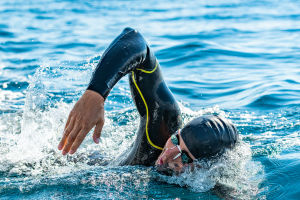 Triathlon True TestA demanding race that blends swim, ride, and run into one unforgettable challenge
 -
 Ski MountaineeringHow to Ski Mountaineering Safely: Techniques, Preparation, and Essential Safety Tips
 -
 Tennis Legends RankedNadal, Federer, Djokovic, Serena. The tennis era of champions rewrote what greatness looks like in the sport.
Contact to : xyjph123@gmail.com
Privacy Agreement
Copyright © boyuanhulian 2020 - 2022. All Right Reserved.
Privacy Agreement
Copyright © boyuanhulian 2020 - 2022. All Right Reserved.