Snow Riding Face-Off
Hi, Friends! If you have ever stood at the top of a snowy mountain wondering which piece of equipment to strap on, you are definitely not alone.
The debate between snowboarding and skiing is one of the most common conversations in any mountain lodge.
Both are thrilling ways to enjoy the snow, but they work quite differently in terms of technique, equipment, learning curve, and overall experience.
The Equipment Is Completely Different
The most obvious difference is the gear itself. Skiers use two separate planks, one for each foot, along with poles that help with balance and direction. Snowboarders, on the other hand, use a single wide board with both feet strapped in sideways at an angle.
Ski boots are rigid and attach directly to the ski bindings, while snowboard boots are softer and connect to the board through a binding system. Because of the sideways stance on a snowboard, your entire body orientation shifts compared to skiing, where you face forward down the slope.
Learning Curve: Which One Is Easier to Pick Up?
This is where things get interesting. Most beginners find skiing easier to learn in the first few days. The forward-facing stance feels more natural, and having poles gives a sense of stability right away. You can also stop relatively easily using the snowplow technique.
Snowboarding, however, tends to involve more falls early on. The sideways stance takes getting used to, and learning to shift weight properly between the heel edge and toe edge requires patience. That said, many instructors point out that snowboarders often progress faster once they get past the initial frustrating stage. Within a week or so, the learning curves tend to even out.
Riding Style and Terrain Preferences
Skiing and snowboarding also suit different types of terrain and riding styles. Skiers generally find it easier to navigate groomed runs, moguls, and narrow trails. The independent movement of each leg allows for quick, precise adjustments.
Snowboarders tend to thrive in powder snow and terrain parks, where the single board allows for a more fluid, surf-like movement. Tricks and freestyle maneuvers are also a big part of snowboard culture, and the setup of a snowboard makes certain aerial and rail moves feel more intuitive for many riders.
Body Mechanics and Physical Demands
The two sports place different demands on your body. Skiing engages the leg muscles independently, requiring a lot of quad strength and knee stability. The knees also bear significant impact during turns and landings. Snowboarding relies more heavily on core strength, hip rotation, and ankle flexibility.
Falls in snowboarding tend to impact the wrists and tailbone more, which is why wearing wrist guards is strongly recommended for beginners. Skiers, when they fall, are more prone to knee-related injuries due to the fixed boot-to-ski connection and the twisting forces that can occur.
Social Culture and Vibe
Beyond the physical differences, skiing and snowboarding also carry distinct cultural identities at many resorts. Skiing has a longer history and is often associated with a more traditional mountain sport culture. Snowboarding emerged later and quickly developed a younger, more freestyle-oriented community.
Today, both cultures have blended considerably, and most modern ski areas fully cater to both. Still, you will often notice differences in music preferences at the terrain parks, clothing styles, and even how riders socialize on the lifts.
Cost and Accessibility
In terms of cost, both sports are fairly comparable when renting equipment at a resort. Ski rental packages sometimes run slightly higher because there are more pieces of equipment involved. Lessons are similarly priced for both disciplines. When it comes to purchasing your own gear over time, snowboarding setups can sometimes be slightly more affordable since you are buying one board rather than two skis plus poles.
Ultimately, neither snowboarding nor skiing is objectively better. Your ideal choice depends on your learning style, physical preferences, the terrain you enjoy most, and, honestly, which community you feel drawn to. Many passionate mountain enthusiasts end up trying both and keeping a soft spot for each.
The most important thing is to get out on the snow, take a proper lesson, and enjoy every run. Give both a try if you can, and let the mountain help you decide!
-
 Inner Tennis StrategyEvery shot is a mental battle. Let's explore the hidden psychology that makes tennis rallies so intense.
 -
 Artistic Swimming ScoringUnderstand how judges score routines in artistic swimming, from execution to artistry and difficulty.
 -
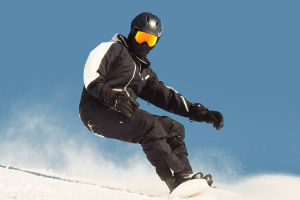 Safety Gear: Extreme SportsExtreme Sports Safety: Helmets, Pads, Goggles, and Gear Maintenance Guide
Contact to : xyjph123@gmail.com
Privacy Agreement
Copyright © boyuanhulian 2020 - 2022. All Right Reserved.
Privacy Agreement
Copyright © boyuanhulian 2020 - 2022. All Right Reserved.