Air-Purifying Houseplants
There is a common belief that houseplants can clean the air inside homes, and while this idea is not entirely incorrect, it is often oversimplified.
The reality is more nuanced, and understanding it helps set realistic expectations about what plants can actually do.
Indoor Plants and Air Quality Research
Research conducted in controlled laboratory environments in the late 20th century explored how certain plants interact with airborne chemical compounds. The results showed that common houseplants such as snake plants, spider plants, and peace lilies were capable of absorbing substances like formaldehyde, benzene, and trichloroethylene. These compounds are commonly released from furniture, paint, cleaning materials, and synthetic building products.
However, these findings were observed under sealed and highly controlled conditions that do not reflect typical indoor environments. In real homes, air circulation, ventilation, and room size significantly reduce the overall impact plants can have on air purification.
For this reason, houseplants should not be considered a replacement for proper ventilation or dedicated air-cleaning systems where air quality is a concern. Instead, their contribution is generally modest and localized.
Spider Plant: Low-Maintenance and Adaptable
Spider plants are resilient indoor plants that can help reduce traces of certain airborne compounds such as formaldehyde and xylene. They adapt well to different lighting conditions and grow quickly, producing new plant shoots that can be easily replanted.
They are also widely considered safe for indoor environments with pets, making them a practical choice for many households.
Peace Lily: Effective Indoor Filter Plant
Peace lilies have demonstrated the ability to absorb various airborne compounds under laboratory conditions. They are also known to help reduce certain airborne particles, including those associated with indoor mold presence, particularly in humid environments.
They thrive in low to moderate light conditions and require consistent watering. However, they are not suitable for environments where pets may ingest them, as they can be toxic.
Snake Plant: Night-Time Oxygen Activity
Snake plants are known for their ability to continue oxygen production during nighttime hours through a natural metabolic process. This characteristic makes them a popular choice for bedrooms and indoor resting spaces.
They are also capable of tolerating low light conditions and require minimal watering, making them one of the easiest indoor plants to maintain. In addition, they may assist in reducing traces of certain indoor airborne compounds.
Aloe Vera and Boston Fern
Aloe vera is commonly associated with helping reduce certain airborne chemical compounds found in household materials and products.
Boston ferns are valued for their ability to increase indoor humidity and improve overall air freshness. However, they require higher moisture levels and more consistent care compared to other common indoor plants.
Number of Plants and Practical Impact
A general guideline often suggests distributing multiple plants throughout indoor spaces to achieve noticeable localized effects. However, this should not be interpreted as a strict or scientific standard for air purification.
In practical terms, a small number of plants can contribute to a more pleasant indoor environment by slightly improving air freshness and humidity levels. Their most significant benefits are often related to comfort, stress reduction, and overall atmosphere rather than measurable air purification.
Indoor houseplants can play a supportive role in enhancing living environments. While their impact on air purification is limited, they offer meaningful benefits in terms of comfort, humidity balance, and psychological well-being. For this reason, they are best viewed as complementary elements in creating healthier and more pleasant indoor spaces.
-
 Music Supports SeniorsMusic may help seniors feel calmer, happier, and less emotionally isolated.
 -
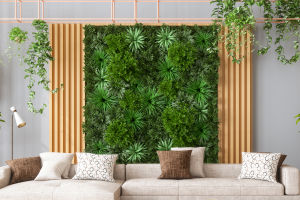 Vertical Garden IdeasCreative ways to grow plants on walls and hanging setups, even in the smallest living spaces.
 -
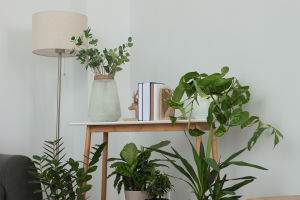 Indoor Plant CareA beginner's guide to basic care routines, best plant choices, and common mistakes to avoid indoors.
Contact to : xyjph123@gmail.com
Privacy Agreement
Copyright © boyuanhulian 2020 - 2022. All Right Reserved.
Privacy Agreement
Copyright © boyuanhulian 2020 - 2022. All Right Reserved.