Chinchillas: 5 Fun Facts
Chinchillas are more than just adorable, fluffy rodents. Native to the harsh, high-altitude regions of the Andes Mountains, these small mammals have evolved remarkable traits that make them fascinating both in the wild and as pets.
Their biology, behavior, and social nature reflect millions of years of adaptation to extreme environments. Understanding these traits is essential for anyone interested in studying or caring for chinchillas.
1. Independent from Birth: The Remarkable Kits
Unlike many small mammals, baby chinchillas—called kits—are born highly developed. Covered in soft fur with open eyes and functioning ears, kits weigh just 30–60 grams (1–2 ounces) yet are active immediately. This early independence is crucial for survival in the Andes, where predators and environmental challenges demand agility and alertness from a young age. Litters usually contain two kits, though litter sizes can range from one to six kits.
2. Dust Baths: A Unique Grooming Requirement
Chinchilla fur is exceptionally dense, with up to 50–80 hairs per follicle and thousands of hairs per square inch. While this protects them from cold, it also makes water baths dangerous, as moisture can cause fungal infections and skin irritation. Instead, chinchillas take dust baths using fine volcanic ash or specialized chinchilla dust. These sessions absorb natural oils and remove dirt while maintaining the soft, insulating quality of their coat. Pet chinchillas typically require dust baths two to three times per week in a shallow container.
3. Dense Fur: From Survival Advantage to Endangerment
Chinchilla fur is one of the densest of any land mammal, giving them their famously soft texture. Unfortunately, this coat made wild chinchillas a target for hunting, leading to dramatic population declines. Today, wild populations are protected, but habitat loss and historical over-trapping continue to affect recovery efforts. Their fur, once a survival advantage, became a reason for exploitation.
4. Longevity: A Long Life for a Small Rodent
Chinchillas live longer than most small rodents, with captive individuals often reaching 10–20 years (commonly 10–15 years) and wild ones living around 8–10 years. Their slower developmental pace, stable physiology, and fewer age-related health problems contribute to this longevity. For pet owners, this means chinchillas require a long-term commitment, often spanning more than a decade.
5. Social, Quiet, and Low-Maintenance Companions
Chinchillas are naturally social and thrive in pairs or small groups, reflecting their lifestyle in the wild. They are generally quiet, low-odor, and can even learn basic litter habits. Crepuscular by nature, they are most active at dawn and dusk, making them suitable for busy households. Their diet is simple, primarily consisting of hay and specially formulated pellets, making them relatively easy to care for compared to other exotic pets.
Nature’s Ingenious Survivors
Chinchillas are extraordinary creatures whose traits—early independence, dense fur, social intelligence, and long lifespan—reflect millions of years of survival in one of the planet’s harshest environments. What appears as simple cuteness is actually the product of intricate evolutionary adaptation. Whether admired in the wild or cared for as pets, chinchillas are a testament to the complexity and resilience of nature.
-
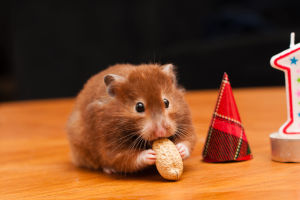 Hamster Food GuideWhat Can Hamsters Eat Safely? A Simple Everyday Guide to Healthy Foods, Safe Treats, and Easy Care Tips for Happy Living!
 -
Hamster Food GuideWhat Can Hamsters Eat Safely? A Simple Everyday Guide to Healthy Foods, Safe Treats, and Easy Care Tips for Happy Living!
-
 Birds That Fly on EmptyMigratory birds are dying mid-journey — and losing wetlands is making it worse
Contact to : xyjph123@gmail.com
Privacy Agreement
Copyright © boyuanhulian 2020 - 2022. All Right Reserved.
Privacy Agreement
Copyright © boyuanhulian 2020 - 2022. All Right Reserved.