Dandelion: Nature’s Survivor
Think about the tiny yellow flowers popping up in fields, parks, and even cracks in the pavement.
At first glance, they might seem ordinary, but these little dandelions hold one of nature’s most clever survival stories.
They grow almost anywhere, spread far and wide, and quietly support the ecosystem around them. In this article, we will explore the shape, living space, and real value of the dandelion, so we can see why this unassuming plant is far more important than it appears.
What Makes a Dandelion Look So Special
When we look closely, we notice that a dandelion is not just a yellow flower. Its whole body is designed for survival. The root is cone-shaped and usually grows about 4 to 10 centimeters long. It is brown on the outside and has a wrinkled surface. This deep and strong root lets the plant reach water hidden in the ground, even when the surface is dry. Because of this, we often see dandelions staying green when other plants look wilted.
Leaves Built for Sun and Dry Days
The leaves grow in a group from the base of the plant. They usually have a long oval shape or deep cuts along the sides. Their edges are like soft waves with small teeth. The leaf stalks often carry a red or purple tone, and the surface has fine white hairs. These hairs help slow down water loss, which is very useful in sunny or windy places. At the same time, the wide leaf shape allows the plant to catch enough sunlight for energy.
Bright Flowers and Flying Seeds
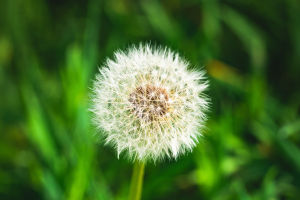
From the center of the leaves, a tall green stem rises. It can reach about 10 to 25 centimeters high. At the top, a bright yellow flower opens, usually from April to October. Each flower head is actually made of many tiny flowers packed together. After blooming, the yellow parts slowly change into a round white ball. This is the famous seed head that looks like soft hair. Every tiny seed carries a small parachute-shaped structure that lets it float in the air. With a light wind, seeds can travel several kilometers, giving the plant a new home far away.
Colors and Stories Around the Flower
Most dandelions are yellow, yet people sometimes talk about purple ones. In reality, those are often different plants that only resemble dandelions. Still, stories give the dandelion deep meaning. Yellow flowers are linked to feelings that are hard to keep, while autumn dandelions often stand for attraction. Even without stories, we can feel that this plant shows both beauty and quiet strength.
Where Dandelions Love to Live
We can find dandelions in fields, on roadsides, near rivers, and even in city green areas. They do not ask for rich soil or perfect care. They can live in very cold winters and still survive hot summer days. This wide range makes them one of nature’s best survivors and also helps them support damaged land.
Light and Temperature Needs
Dandelions enjoy bright places. They need about six hours of sunlight each day to stay healthy. When light is not enough, their leaves may turn pale. The best growing temperature is between 15 and 25 degrees Celsius, yet their seeds can start to grow even near 0°C. This is why we often see them appear early in the year.
Soil and Water Use
Although dandelions can grow in many types of soil, loose and well drained ground is the best. Their long roots dig deep to find water, helping them survive dry times. They also handle wet ground well, which means both too little and too much water rarely stop them. Even slightly salty land can support them.
How Dandelions Help Nature
We may not notice it, but dandelions play a big role in the natural system. Their bright flowers offer food to bees and butterflies. Their seeds feed birds and small animals. Their roots hold soil in place, helping stop erosion. Over time, they also improve soil quality by opening up hard ground.
How People Use Dandelions
Every part of the plant can be useful. In traditional medicine, the whole plant is valued for helping the body release extra heat and water. Young leaves can be added to dishes or soups, bringing vitamin C and helpful minerals. The roots can be dried and heated to make a warm drink that resembles coffee. These uses show how a simple plant can support daily life.
Culture and Daily Life Value
Dandelion based drinks and dried products are popular in many places. The plant is also used in gardens because it is easy to grow and brightens the ground. In many cultures, it stands for hope, freedom, and strong will. These meanings make the dandelion more than just a wild plant.
A Quiet Hero of Nature
Lykkers, the dandelion may look ordinary, yet it is a true hero of the natural world. With its clever shape, strong roots, and flying seeds, it shows us how life finds a way even in hard places. When we understand how it grows and why it matters, we learn to respect every small form of life. Next time we see a dandelion by the road, let us pause and smile, because we are looking at one of nature’s most powerful survivors.
-
 Grow Aloe Fast & HealthyEasy Tips to Make Aloe Thrive, Fill Your Garden, and Bloom Within a Year
 -
Grow Aloe Fast & HealthyEasy Tips to Make Aloe Thrive, Fill Your Garden, and Bloom Within a Year
-
 Dandelion: Nature’s SurvivorDiscover how this tiny flower travels far, thrives anywhere, and supports nature quietly
Contact to : xyjph123@gmail.com
Privacy Agreement
Copyright © boyuanhulian 2020 - 2022. All Right Reserved.
Privacy Agreement
Copyright © boyuanhulian 2020 - 2022. All Right Reserved.