Building Greener Cities
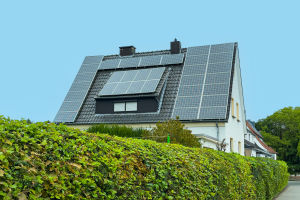
When we think about sustainability, we often picture solar panels, green roofs, or energy-efficient buildings. But it's more than just installing some eco-friendly tech.
Sustainable architecture is all about making buildings that are resource-efficient, comfortable to live in, and gentle on the environment. A truly sustainable building goes beyond saving energy.
It incorporates materials and designs that reduce waste, cut carbon emissions, and minimize environmental impact. For example, passive design techniques use natural elements like sunlight and wind to regulate temperature, reducing reliance on heating and cooling systems.
- Energy Efficiency: The first step toward sustainability is using less energy. This can be achieved through better insulation, triple-glazed windows, and energy-efficient lighting systems. Green buildings often include solar panels or wind turbines to generate clean energy on-site.
- Water Conservation: Sustainable buildings don't just conserve energy—they also save water. Low-flow plumbing fixtures, rainwater harvesting systems, and drought-resistant landscaping reduce the water footprint of a building.
- Sustainable Materials: Green buildings are built using sustainable materials like recycled steel, bamboo, and reclaimed wood. These materials have a lower environmental impact because they require fewer resources to produce and create less waste.
How Sustainable Buildings Benefit Us
Building green isn't just about the planet; it's about improving quality of life. Sustainable buildings can provide healthier spaces to live and work. They have better indoor air quality, are more comfortable, and are often more affordable to maintain in the long run.
For example, a study of green office buildings found that employees in these spaces reported fewer headaches, less fatigue, and improved overall well-being. These benefits also extend to residential homes, where energy-efficient designs help reduce utility bills, making green buildings more financially accessible.
Better focus, Improved health, Lower utility bills—the perks go beyond environmental benefits.
Green Cities: More Than Just Buildings
Sustainable architecture isn't limited to individual buildings; it's about creating entire green cities. Urban planning is evolving, with green infrastructure becoming a key focus in cities worldwide. The idea is to create spaces that blend with nature, improve air quality, reduce traffic congestion, and provide healthier environments for everyone.
For example, green urban areas often include community gardens, green roofs, and tree-lined streets that help cool down cities, improve air quality, and enhance the mental well-being of residents. Cities like Vancouver and Copenhagen are leading the way in integrating sustainability into urban life, showing that green infrastructure can improve both quality of life and the environment.
Getting Involved: Small Steps Toward Green Living
Sustainable architecture may seem like a big, expensive commitment, but it's possible to make small changes that add up. If you're not building a new home or office, here are a few ways to get involved in sustainable living:
- Switch to Energy-Efficient Appliances: This simple step reduces both energy use and costs. Look for ENERGY STAR-rated appliances that use less energy while performing efficiently.
- Install Low-Flow Fixtures: These simple additions to your home can save gallons of water every day, from showerheads to faucets to toilets.
- Opt for Sustainable Furniture: When it's time to redecorate, choose furniture made from eco-friendly materials, like sustainably harvested wood or recycled materials.
Reflecting on a Greener Future
The shift toward sustainable buildings and cities is more than just a trend; it's a movement toward creating a future where the environment and human life can thrive together. Whether through eco-friendly designs, urban planning, or small changes in our homes, we all have a role to play in building greener, healthier spaces.
By making sustainable choices, we're investing in a future that benefits everyone. A sustainable city is a place where both nature and people can flourish.
-
 Urbanization's ImpactHow cities are shrinking natural habitats and what we can do about it.
 -
 Farming for the FutureDiscover how sustainable farming can feed the planet without exhausting its precious resources.
 -
 Nordic Climate BreakthroughsThe surprising innovations helping Northern Europe sprint toward a greener future!
Contact to : xyjph123@gmail.com
Privacy Agreement
Copyright © boyuanhulian 2020 - 2022. All Right Reserved.
Privacy Agreement
Copyright © boyuanhulian 2020 - 2022. All Right Reserved.