Winter’s Diving Duck
Watching a bird dive gracefully into icy water can be mesmerizing. Among these winter swimmers, the Clangula hyemalis stands out.
Known for its remarkable diving skills and striking seasonal plumage, this duck has evolved to survive and thrive in some of the harshest environments.
Observing it offers more than a glimpse of beauty—it's a lesson in adaptation, endurance, and the quiet mastery of nature.
Appearance and Seasonal Changes
Distinctive plumage
Male Clangula hyemalis undergo dramatic changes between seasons. During winter, the male is mainly white, with brownish-black and gray markings on the face and body, while in summer it becomes much darker, with a white face patch and contrasting black, white, and chestnut tones. Females retain more muted brown-and-white tones year-round, which helps with camouflage while nesting.
Adaptations for cold
Their dense feathers trap air, providing insulation against freezing temperatures. Coupled with a layer of blubber, this allows them to remain buoyant and maintain body heat during long dives in icy seas.
Actionable observation tip
When watching winter flocks, note the subtle differences in plumage between males and females. Tracking seasonal changes helps you understand life cycle timing and mating strategies.
Diving and Feeding Behavior
Exceptional diving skills
Clangula hyemalis can dive over 20 meters to reach mollusks, crustaceans, and small fish. Unlike dabbling ducks that feed on the surface, these divers hunt with precision underwater, using their wings to "fly" beneath the surface.
Energy efficiency
They often dive in short, rapid bursts, conserving energy while covering large areas. Group feeding also reduces risk from predators and increases foraging success.
Actionable observation tip
Use binoculars to watch their diving patterns. Note how long each dive lasts and the spacing between dives. This can help track feeding efficiency and prey selection in different habitats.
Migration Patterns
Seasonal travel
Clangula hyemalis breeds in Arctic regions but migrates south to temperate coasts in winter. Migration timing is influenced by sea ice coverage and food availability. These birds often travel in small flocks, navigating along coastlines and open waters.
Navigation strategies
Like many migratory birds, long-tailed ducks likely rely on a combination of environmental cues during movement. It is safer to describe their navigation generally rather than claim one exact method here.
Actionable observation tip
Track local sightings during migration periods. Documenting arrival and departure times can help identify population shifts and environmental changes affecting their routes.
Reproduction and Nesting
Nesting sites
Females select secluded areas near freshwater ponds or tundra wetlands, building nests from grasses and down feathers. This choice minimizes predation risk and provides insulation in cold climates.
Parental care
The female incubates the eggs, and the chicks are precocial, meaning they are active and mobile soon after hatching. BTO gives a typical clutch size of 6–9 eggs, incubation of 24–29 days, and fledging in about 35–40 days.
Actionable observation tip
During breeding season, look for adult-female pairs leading ducklings. Observing behavior such as feeding instruction or protective movements offers insight into parental investment and survival strategies.
Conservation Status and Threats
Population trends
It is better not to say populations are stable. The long-tailed duck is currently listed as Vulnerable globally, and conservation concern is real.
Human impact
Oil spills, fishing gear, and coastal disturbance can disrupt feeding and migration. Conservation efforts focus on protecting key wetlands and monitoring population health.
Actionable engagement
Join local bird-watching groups or citizen science programs to help monitor wintering flocks. Recording sightings and behaviors contributes to conservation databases and improves understanding of environmental pressures.
Clangula hyemalis exemplifies resilience and adaptation. From diving in freezing waters to navigating thousands of kilometers each year, it thrives against the odds. Observing this bird teaches patience, attention to detail, and a deep appreciation for the complex interplay between species and their environments. Watching a winter flock in motion, you can't help but marvel at the subtle mastery of survival perfected over millennia.
-
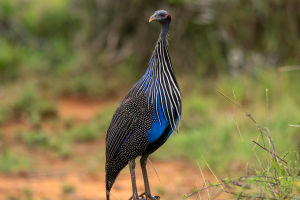 Vulturine Guineafowl HabitsDiscover how these striking birds thrive in flocks and open lands
 -
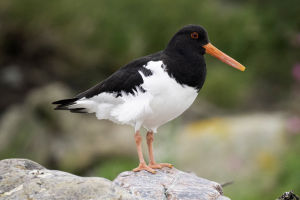 Eurasian OystercatcherEurasian Oystercatcher Uncovered! Why This Bold Black-and-White Shorebird Captures Attention Along Europe’s Coasts?
 -
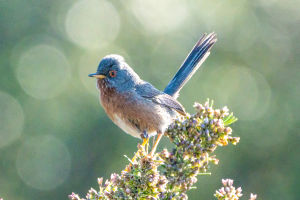 Dartford Warbler SecretsA Tiny Shrubland Bird With Big Personality
Contact to : xyjph123@gmail.com
Privacy Agreement
Copyright © boyuanhulian 2020 - 2022. All Right Reserved.
Privacy Agreement
Copyright © boyuanhulian 2020 - 2022. All Right Reserved.