Mastering Surfing Basics
The moment you paddle out and feel a wave lift your board, the thrill hits instantly. Surfing isn't just about balance; it's a mix of timing, body positioning, and understanding the ocean.
Learning a few essential techniques early can make your sessions smoother and far more enjoyable. Even beginners can feel confident with the right approach.
Understanding Wave Selection
Identify gentle waves, Observe wave patterns, Timing your catch
Not all waves are equal. Choosing the right one affects your ability to stand up and ride smoothly.
Start with smaller, rolling waves rather than steep, fast-breaking ones. They're easier to paddle into and less intimidating.
Watch how waves break and note the timing between sets. This helps predict when to start paddling.
Position yourself slightly ahead of the breaking point for an easier catch.
Actionable example: Spend the first few sessions observing the water for 10–15 minutes, noting which waves break softly and which pull too fast. Mark a spot where smaller waves consistently form.
Perfecting Your Paddle Technique
Strong, consistent strokes, Body alignment, Efficiency over speed
Paddling efficiently saves energy and positions you for better wave catches.
Keep your body centered on the board, chest slightly lifted to reduce drag.
Use long, deep strokes with your arms, reaching forward fully before pulling the water back.
Keep legs together and relaxed; avoid unnecessary kicking unless to correct direction.
Tip: Practice paddling on calm water first to build endurance and rhythm before tackling larger waves.
Mastering the Pop-Up
From prone to standing, Feet placement, Balance
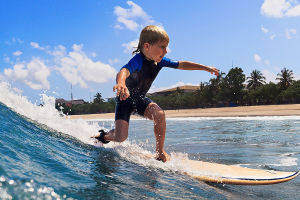
The pop-up is the moment you transition from lying on your board to riding a wave upright. Timing and coordination are key.
As the wave lifts you, push your chest up with your hands and quickly bring your front foot under you.
Place your back foot perpendicular to the board's tail for stability.
Keep knees slightly bent and eyes looking forward, not down at the board.
Actionable example: On land, practice pop-ups on a soft exercise mat 10–15 times daily to build muscle memory for smooth execution in the water.
Finding Your Stance
Regular vs. goofy, Foot positioning, Weight distribution
A solid stance gives control over turns and speed.
Determine your natural lead foot—regular (left) or goofy (right)—by stepping forward instinctively.
Keep feet shoulder-width apart and knees bent for shock absorption.
Distribute weight slightly toward the front foot to maintain speed without nosediving.
Tip: Experiment shifting your weight while riding small waves to understand how subtle changes affect direction and stability.
Turning and Maneuvering
Lean and twist, Rail control, Speed adjustments
Once you're comfortable standing, learning to maneuver the board opens up more surfing possibilities.
Initiate turns by leaning into the direction you want to go while keeping your upper body aligned with your feet.
Engage the edges of your board (rails) to carve smoothly across the wave face.
Adjust your speed by subtly shifting weight forward to accelerate or back to slow down.
Actionable example: Start with gentle S-turns on small waves, gradually increasing the sharpness as your confidence grows.
Safety and Awareness
Watch for others, Respect the lineup, Check conditions
Surfing safely is part of enjoying the sport. Awareness keeps you and others out of harm's way.
Avoid dropping in on waves where someone is already riding. Wait your turn.
Keep an eye on rip currents and know how to escape them by swimming parallel to the shore.
Wear a leash and consider a helmet in crowded or rocky areas.
Tip: Always spend a few minutes observing the surf conditions before entering the water, noting potential hazards.
Surfing combines patience, observation, and practice. By focusing on wave selection, paddling, pop-ups, stance, maneuvering, and safety, beginners can progress steadily and enjoy the thrill of riding waves. Each session builds not just skill, but confidence and a deeper connection to the ocean's rhythm.


Contact to : xyjph123@gmail.com
Privacy Agreement
Copyright © boyuanhulian 2020 - 2022. All Right Reserved.
Privacy Agreement
Copyright © boyuanhulian 2020 - 2022. All Right Reserved.