Fashion Photography
A fashion shoot often begins in a quiet studio or on a bustling street, with clothing racks, lighting stands, and a model who seems to move in rhythm with an unseen beat.
The difference between a snapshot and a fashion photograph lies in keen observation. Noticing fabric folds, light on textures, and a model’s subtle gestures can elevate an image from ordinary to iconic. Fashion photography is about storytelling as much as style, where every detail matters.
Lighting that elevates texture and mood
Light can define a piece of clothing and reveal subtle fabric details that might otherwise go unnoticed. Understanding its direction, softness, and intensity is essential.
1. Soft, diffused lighting reduces harsh shadows and works well for delicate fabrics like silk or chiffon.
2. Directional lighting can add drama and dimension, highlighting folds, seams, and textures on structured garments.
3. Natural light during golden hour offers warmth and subtle glow, ideal for outdoor shoots.
A practical approach is testing a small setup first. Place a reflector opposite a soft box or window to fill shadows without flattening the subject. This method supports Clear texture, Balanced highlights, and Enhanced depth in each frame.
Composition that tells a story
How you frame the subject can turn a simple outfit into a narrative. Composition guides the viewer's eye and creates visual interest.
1. Use leading lines, like streets or building edges, to draw attention to key details of the outfit.
2. Include negative space to emphasize silhouette or movement.
3. Experiment with angles—shooting slightly from above or below can create unique perspectives that enhance style.
One actionable tip is creating a quick storyboard of three to five shots before the shoot. Decide on poses, angles, and background elements in advance. This planning leads to Consistent focus, Stronger storytelling, and Efficient shooting.
Working with models effectively
Fashion photography is collaborative. Posing, expression, and comfort all affect the final image.
1. Give clear, concise instructions—pointing out posture, hand placement, or gaze direction.
2. Encourage small improvisations; spontaneous movements can create natural and dynamic shots.
3. Maintain a comfortable environment—warm temperatures and breaks keep energy high.
A helpful technique is using mood references, like a single photo or short video, to communicate the vibe you want. This practice ensures Clear direction, Model confidence, and Authentic movement during the session.
Choosing backgrounds and settings
The environment can complement or distract from the fashion being showcased. Selecting the right location or backdrop is key.
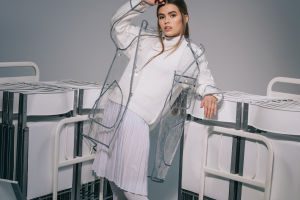
1. Minimal backgrounds keep focus on clothing and styling details.
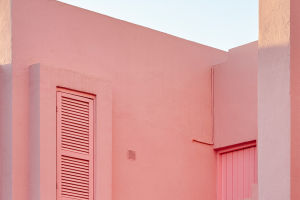
2. Textured walls, staircases, or urban elements can add character without overwhelming the subject.
3. Outdoor locations provide natural color and dynamic lighting options but require planning for changing conditions.
An actionable tip is scouting locations beforehand. Take test shots at the same time of day you plan to shoot to evaluate lighting and color. This ensures Visual harmony, Effective contrast, and Reduced surprises on shoot day.
Posture, movement, and capturing motion
Clothing often comes alive with motion. Capturing natural movement enhances the appeal of garments and adds energy to the photograph.
1. Encourage walking, turning, or slight jumps to show how fabrics flow.
2. Use faster shutter speeds to freeze crisp details or slower speeds to blur motion creatively.
3. Pay attention to subtle expressions and gestures—they communicate personality beyond the outfit.
A practical method is shooting a rapid sequence of images during movement to select the frame that best balances motion and detail. This technique leads to Dynamic visuals, Expressive storytelling, and Impactful presentation.
Fashion photography blends technical skill with observation, creativity, and collaboration. Every choice—from lighting and composition to model guidance and setting—affects the final image. Taking the time to notice small details and plan ahead transforms ordinary captures into photographs that truly showcase style and personality.
Next time you pick up your camera, pause to watch the light, movement, and subtle gestures around your subject. Those moments often become the frames that feel alive long after the shoot ends.
Contact to : xyjph123@gmail.com
Privacy Agreement
Copyright © boyuanhulian 2020 - 2022. All Right Reserved.
Privacy Agreement
Copyright © boyuanhulian 2020 - 2022. All Right Reserved.