Hydrangea Color Magic
Today, we are stepping into the colorful world of hydrangeas, one of the most loved flowering plants in gardens around the world.
We often see these round, full flower clusters in parks, yards, and even on balconies, but do we really know where they come from and why they look so special? Let’s explore hydrangeas together in a simple and practical way, so we can better enjoy and grow them in daily life.
What Exactly Is a Hydrangea?
Hydrangea is a group of more than 70 flowering plant species. These plants mainly come from Asia and the Americas, with the largest variety found in East Asia, especially in Japan and Korea. Most hydrangeas grow as shrubs about 1 to 3 meters tall, but some can become small trees, and a few types even grow like climbing plants that can reach very high when supported by other plants.
In daily life, we usually see hydrangeas as garden shrubs with big round flower heads. Depending on the type, they can lose their leaves in colder seasons or stay green all year. The most commonly grown ones in temperate regions are deciduous, which means they rest during winter and bloom again in warmer months.
Why Are Hydrangea Flowers So Popular?
One main reason we love hydrangeas is their impressive flower shape. The flowers grow in large clusters that look like colorful balls or soft clouds. Each cluster is actually made up of many tiny flowers grouped closely together. From a distance, they look full and rich, which makes gardens feel lively and bright.
Another reason is their long blooming period. Many hydrangeas start flowering in late spring and continue through summer. Some types can even last into early autumn. This means we can enjoy their beauty for several months, not just a short time.
The Amazing Color-Changing Secret
Here comes the most interesting part: hydrangeas can change color. This is something we rarely see in other garden plants. The flower color is closely connected to the soil. When the soil is more acidic, the flowers tend to turn blue. When the soil is more alkaline, they usually turn pink. In neutral soil, we may see purple or mixed colors.
So basically, the same plant can show different colors just because of the soil conditions. This makes hydrangeas feel almost magical. Garden lovers often adjust soil by adding natural materials to guide the color they want. It is like painting with nature, using the earth itself as a tool.
Where Do Hydrangeas Grow Best?
Hydrangeas prefer mild climates. They like bright light but not strong direct sunlight all day. In daily gardening, we often place them where they can get morning sun and afternoon shade. This helps prevent the leaves and flowers from drying too fast.
They also enjoy moist soil, but not waterlogged ground. Regular watering is important, especially in hot seasons. If the soil becomes too dry, the leaves will quickly droop, which is a clear sign that the plant needs water. The good news is that hydrangeas usually recover fast once watered properly.
Easy Care Tips for Daily Garden Life
Taking care of hydrangeas is not complicated, which is another reason they are so popular. We only need to remember a few key points. First, keep the soil slightly moist. Second, avoid very strong midday sun. Third, prune lightly after flowering to keep the shape neat and encourage new growth.
We can also add organic compost to improve soil quality. This helps the plant grow stronger and produce more flowers. With simple care, hydrangeas can live for many years and become a stable part of our garden.
Hydrangeas in Culture and Daily Scenes
Hydrangeas are not only garden plants; they also appear in many cultural scenes. In Japan, they are often linked with summer and rainy seasons. In Europe and North America, they are widely used in home landscaping and flower arrangements. Their soft colors make them perfect for creating a peaceful and gentle atmosphere.
We often see hydrangeas used in parks, along roads, and in home yards. Some people even grow smaller varieties in pots for balconies and indoor spaces. No matter where they appear, they always bring a calm and refreshing feeling.
Why We Still Love Hydrangeas Today
In a fast-paced world, hydrangeas remind us to slow down. They grow quietly, change color naturally, and bloom generously. We do not need complex tools or expert skills to enjoy them. Just basic care and attention are enough to receive beautiful flowers in return.
For Lykkers who enjoy simple gardening or just love flowers, hydrangeas are a perfect choice. They are friendly, flexible, and full of surprises. When we watch their colors change with the seasons, it feels like nature is talking to us in its own gentle language.
So next time we see a hydrangea, let’s take a closer look. We might discover that behind those soft petals lies one of the most interesting stories in the plant world, and it is a story we can enjoy together, every season.
How Do Hydrangeas Change Colors?
Video by Reactions
-
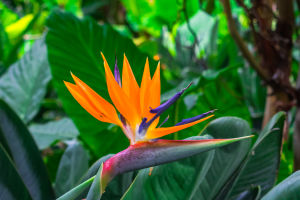 Tropical Bird BloomSee How the Bird of Paradise Pops Against Lush Jungle Green and How We Can Bring That Magic Home!
 -
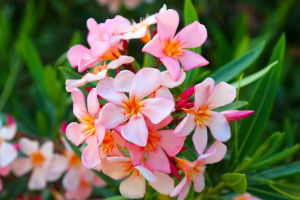 Sunny Pink PhloxWatch Pale Pink Phlox Bloom in the Sun: Stunning Flowers Dancing Against Lush Green Leaves!
 -
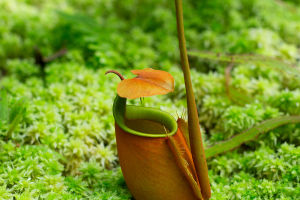 Tropical Pitcher ViewExplore the Stunning Tropical Pitcher Plants That Capture Insects and Amaze Nature Lovers Everywhere!
Contact to : xyjph123@gmail.com
Privacy Agreement
Copyright © boyuanhulian 2020 - 2022. All Right Reserved.
Privacy Agreement
Copyright © boyuanhulian 2020 - 2022. All Right Reserved.