Beyond the Surface
For centuries, portraiture has been a powerful medium for artists to capture not just the likeness, but the essence of humanity.
Whether through paintings, photography, or sculpture, portraits offer an intimate glimpse into the lives, personalities, and emotions of the subjects they depict.
Unlike other forms of art, portraiture has a unique ability to communicate both external and internal realities, allowing us to connect with the person behind the image. This article explores the evolution of portraiture, its ability to capture the depth of the human experience, and its enduring relevance in today's world.
The Evolution of Portraiture
Portraiture has a rich history that spans across centuries, with each era contributing to its development in unique ways. Early portraiture was primarily commissioned by the elite, with aristocrats and royalty commissioning artists to capture their likenesses in an attempt to immortalize their status and legacy. However, over time, the genre evolved to encompass a broader range of subjects and styles, reflecting changing social norms and artistic innovations.
• Renaissance and the Rise of Realism: The Renaissance marked a turning point in portraiture, with artists like Leonardo da Vinci and Raphael focusing on achieving greater realism and psychological depth in their portraits. These early masters sought to portray not just the physical appearance of their subjects, but also their inner world, capturing subtle expressions and emotions. This shift in focus from mere representation to psychological depth paved the way for future developments in portraiture.
• Modern Portraiture: In the 19th and 20th centuries, portraiture underwent further transformation. The advent of photography democratized portraiture, making it more accessible to the general public. Artists like Pablo Picasso and Frida Kahlo pushed the boundaries of traditional portraiture, exploring abstraction and symbolism. In contrast to earlier periods, modern portraiture often focused on the psychological and emotional complexities of the subject, rather than just a faithful reproduction of their physical features.
The Psychological Power of Portraiture
What sets portraiture apart from other forms of art is its ability to reveal the innermost aspects of a person's character and emotions. Through careful attention to detail, lighting, and composition, portrait artists can capture the essence of a subject's personality and spirit. The power of portraiture lies in its ability to make the viewer feel as though they are meeting the person depicted—offering a sense of connection that transcends time and space.
• Face Expression and Emotion: One of the most powerful tools in portraiture is the subject's expression. The subtlety of a smile, the intensity of a gaze, or the softness of a frown can convey complex emotional states.
Artists often use lighting and shadow to emphasize these expressions, creating depth and drama that draw the viewer's attention to the subject's mood and personality. Through these visual cues, portraiture allows us to engage with the emotional life of the subject, creating an intimate connection between the viewer and the depicted individual.
• The Eyes: Windows to the Soul: The eyes have long been considered the most important element in portraiture. Artists often focus on the eyes to convey the subject's inner thoughts and emotions, as they are seen as the windows to the soul. Whether through a direct, piercing gaze or a soft, contemplative look, the eyes can communicate a wide range of emotions—fear, joy, sadness, or determination. The eyes can also establish a direct connection with the viewer, inviting them into the subject's personal world.
Portraiture as a Reflection of Society
Beyond capturing the individual, portraiture also serves as a mirror to society, reflecting the cultural, social, and social climates of the time. Portraits often reveal the values, ideologies, and identities of the periods in which they were created. By studying portraits, we gain insight into how people saw themselves and how they wished to be seen by others.
• Status and Identity: Historically, portraits were often used to assert social status, power, and identity. Aristocrats and royalty commissioned portraits to demonstrate their wealth, influence, and grandeur. In some cultures, portraits were used to solidify one's social standing, reinforcing ideals of beauty, nobility, and moral virtue.
As portraiture became more accessible, however, the focus shifted to personal identity and self-expression. Portraits began to serve as a way for individuals to define themselves—not just through external appearance, but through the emotions, ideas, and values they wished to convey.
• Social and Social Commentary: Portraits have also been used to comment on social and social issues. For example, portraits of social leaders or revolutionary figures often convey a sense of authority or power, reinforcing their place in history.
On the other hand, portraits of marginalized groups or ordinary people can serve as a form of resistance, challenging prevailing societal norms and highlighting the struggles and triumphs of those who are often overlooked. Artists like Diego Rivera and Jacob Lawrence used portraiture to reflect on the lives of working-class people and to challenge social injustices.
The Role of Technology in Modern Portraiture
In the 21st century, technology has revolutionized the practice of portraiture, opening up new possibilities for artists and expanding the medium beyond traditional painting and photography. Digital tools, social media platforms, and virtual reality have allowed for a more interactive and diverse approach to portraiture.
• Digital Portraiture: With the rise of digital art, many contemporary artists are using software like Adobe Photoshop and Procreate to create digital portraits. These tools allow for a wide range of artistic styles, from hyper-realistic renderings to abstract representations. Digital portraiture has also made it easier for artists to experiment with new techniques, such as manipulating photographs or combining multiple mediums to create innovative and thought-provoking portraits.
• Portraits in the Age of Social Media: Social media has created a new landscape for portraiture, where selfies, profile pictures, and digital representations of oneself have become a form of personal expression.
Platforms like Instagram have transformed the way people view and create portraits, with individuals curating their own images and identities for a global audience. This democratization of portraiture allows for more diverse representations of identity, challenging traditional beauty standards and offering a wider range of personal narratives.
Conclusion: The Enduring Power of Portraiture
Portraiture continues to be a powerful means of capturing the essence of humanity—reflecting both the individual and society as a whole. Through its ability to convey emotion, identity, and personal connection, portraiture remains one of the most intimate and timeless forms of artistic expression.
As both a reflection of the past and a window into the present, portraiture invites us to explore the depths of the human experience, offering a visual record of who we are, how we perceive ourselves, and how we wish to be remembered. Whether through traditional mediums or modern digital tools, portraiture will always have a place in the art world, continuously evolving while maintaining its core mission: to capture the essence of humanity.
-
 Street ArtHow graffiti has transformed into a global art movement with cultural and commercial impact
 -
 Light and Shadow in ArtHow artists manipulate light and shadow to create depth, contrast, and atmosphere!
 -
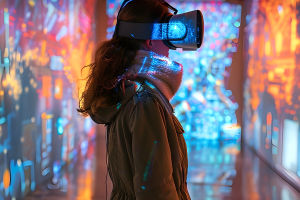 Future of Art ExhibitionsHow technology is transforming art spaces and engaging global audiences!
Contact to : xyjph123@gmail.com
Privacy Agreement
Copyright © boyuanhulian 2020 - 2022. All Right Reserved.
Privacy Agreement
Copyright © boyuanhulian 2020 - 2022. All Right Reserved.