How Action Scenes Are Filmed
When we think about action films, our minds inevitably jump to those heart-racing car chases, hand-to-hand combat sequences, or explosive firefights.
Have you ever wondered how filmmakers capture these thrilling moments so seamlessly?
The key lies in the technical aspects of filming—specifically, the use of dynamic camera shots, stabilization tools, and innovative filming techniques that help immerse us in the action.
In this article, we'll take a closer look at how movies create such intense, adrenaline-pumping action sequences, especially car chases. We'll examine how the use of dynamic shots, high-tech stabilizers, drones, and long takes can elevate the viewer's experience. So, buckle up, because we're about to dive into the exciting world of action shot technology!
Dynamic Camera Shots: Creating Intensity
The success of an action scene often depends on how it's filmed. Dynamic camera shots—where the camera moves along with the action—are crucial for making scenes feel more alive and engaging. These shots allow us to experience the tension, speed, and excitement of the moment as if we're part of the action.
In films like the "Fast & Furious" series, the directors make extensive use of dynamic shots to create fast-paced, high-octane sequences. Whether it's a car drifting around a corner or a high-speed chase through narrow city streets, the camera moves with precision to keep up with the action. This dynamic movement not only increases the pace but also gives viewers the sense that they're right there in the driver's seat, racing along with the characters.
The key to executing these shots is precision and timing. Using specialized camera rigs, such as dolly tracks, steadicams, and stabilizers, filmmakers are able to move the camera with fluidity, ensuring smooth transitions during even the most chaotic moments. Without these tools, the shots would be shaky, disorienting, and hard to follow, diminishing the impact of the scene.
Car Chase Shots: The Art of Pursuit
One of the most iconic action sequences in films is the car chase. From the "Fast & Furious" franchise to films like "Mad Max: Fury Road" or "Drive", car chases often serve as the centerpiece of action films. But behind the wheel, filmmakers use some seriously cool techniques to make these chases look as exhilarating as possible.
In the case of "Fast & Furious 7" (2015), one of the standout sequences is the chase involving high-speed cars driving through the streets of Abu Dhabi. The filmmakers use a combination of dynamic tracking shots and aerial drone shots to follow the action from multiple angles, ensuring viewers feel the thrill of every twist and turn.
The use of a stabilizer ensures that the camera remains steady even during fast movements, allowing us to follow the chase with a clear, steady perspective.
Additionally, drone cameras have revolutionized the way car chases are filmed. Drones offer the ability to capture overhead shots of high-speed pursuits, providing a bird's-eye view of the action. This allows filmmakers to capture wide shots that show the full scope of the chase, enhancing the visual excitement and giving viewers a sense of scale.
Stabilizers and Drones: Keeping It Smooth
While it's exciting to watch action unfold on screen, it's even more thrilling when the camera doesn't get in the way. This is where stabilizers and drones come into play. Both technologies have been game-changers for shooting dynamic action sequences, particularly in chase scenes or long takes.
Steadicams—a tool that allows filmmakers to capture smooth handheld shots even while moving—have been around for decades, but advancements in digital stabilizers have pushed the technology even further. These tools are perfect for scenes where the camera needs to stay close to the action but still maintain clarity.
In "John Wick" (2014), one of the standout features of the action scenes is the use of long, uninterrupted takes. The use of handheld cameras combined with stabilizers allows for smooth, flowing movements that enhance the sense of realism.
The result is a fight scene that feels like a single, continuous moment, intensifying the impact of the action. This technique is particularly effective in hand-to-hand combat sequences where precision and fluidity are essential.
Drones, on the other hand, allow for a whole new level of dynamic shots. In car chases, drones can fly alongside or above the action, offering a high-angle view that wouldn't be possible with traditional cameras. The flexibility and agility of drones allow filmmakers to shoot at impossible angles, zooming in and out of tight spaces, or following fast-moving cars from up above. This gives the scene an exhilarating sense of speed, scale, and excitement.
Long Takes and Fluidity: Enhancing Realism
Another technique that has gained popularity in modern action films is the long take. This is a scene that unfolds in real-time without any cuts, which can be particularly effective in high-intensity action sequences. A well-executed long take creates a sense of immersion, making the action feel more visceral and real.
In "John Wick: Chapter 2" (2017), there's a fantastic long take during the shootout scene in a nightclub. The filmmakers use a steadicam to follow the action as John Wick takes on multiple enemies. The long take amplifies the tension, making us feel the intensity of every shot fired and every move made. The absence of cuts forces us to stay focused on the action, heightening the realism and drawing us deeper into the scene.
Long takes also provide a sense of fluidity that quick cuts cannot achieve. In fast-paced action scenes, constant editing can sometimes take away from the flow of the moment, but by maintaining a continuous shot, the action feels smoother and more connected.
The Magic of Action Filmmaking
Action filmmaking is a delicate balance of creativity and technology. It's not just about fast cars, explosions, or fight choreography—it's about how the filmmakers use technology to craft a thrilling, immersive experience for the audience. The dynamic shots, stabilizers, and drone cameras used in modern action sequences help to create seamless, adrenaline-pumping moments that captivate viewers from start to finish.
As filmmakers continue to innovate and experiment with new technologies, we can only expect even more breathtaking and intense action sequences in the future. Next time you watch an action film, remember that behind every chase, fight, and explosion is a team of technicians and artists working to give you the most thrilling experience possible.
-
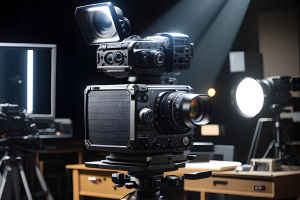 Movie Shooting AngleUnderstanding how camera choices influence storytelling and audience engagement!
 -
 Movie Film MagicStill Think Film Is Dead? Discover Why Movie Film Is Quietly Making a Comeback in the Digital World!
 -
 Directing ImpactHow Directors Shape Movie Styles and Create Unique Cinematic Experiences That Captivate Audiences.
Contact to : xyjph123@gmail.com
Privacy Agreement
Copyright © boyuanhulian 2020 - 2022. All Right Reserved.
Privacy Agreement
Copyright © boyuanhulian 2020 - 2022. All Right Reserved.